





Bengaluru, Karnataka, 6th of April, 2026 : In a major step towards positioning India’s innovations on the global stage, IInvenTiv 2026 commenced at IIT (ISM) Dhanbad as a key national feeder platform to Bharat Innovates 2026, setting in motion a powerful ecosystem to transform research into scalable, market-ready technologies. The flagship R&D fair brings together top academic leaders, industry experts, startups, and investors to create a seamless pathway from Indian laboratories to global deployment.
Aligned with national missions such as Atmanirbhar Bharat and Make in India, the event reflects India’s growing ambition to become a global hub of deep-tech innovation. By linking domestic innovation platforms with Bharat Innovates 2026, IInvenTiv is enabling structured pathways for global partnerships, capital access, and international market integration.
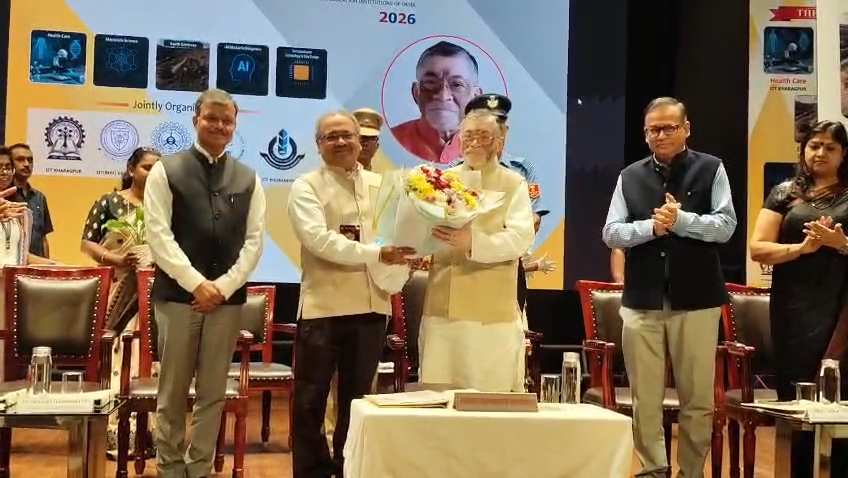
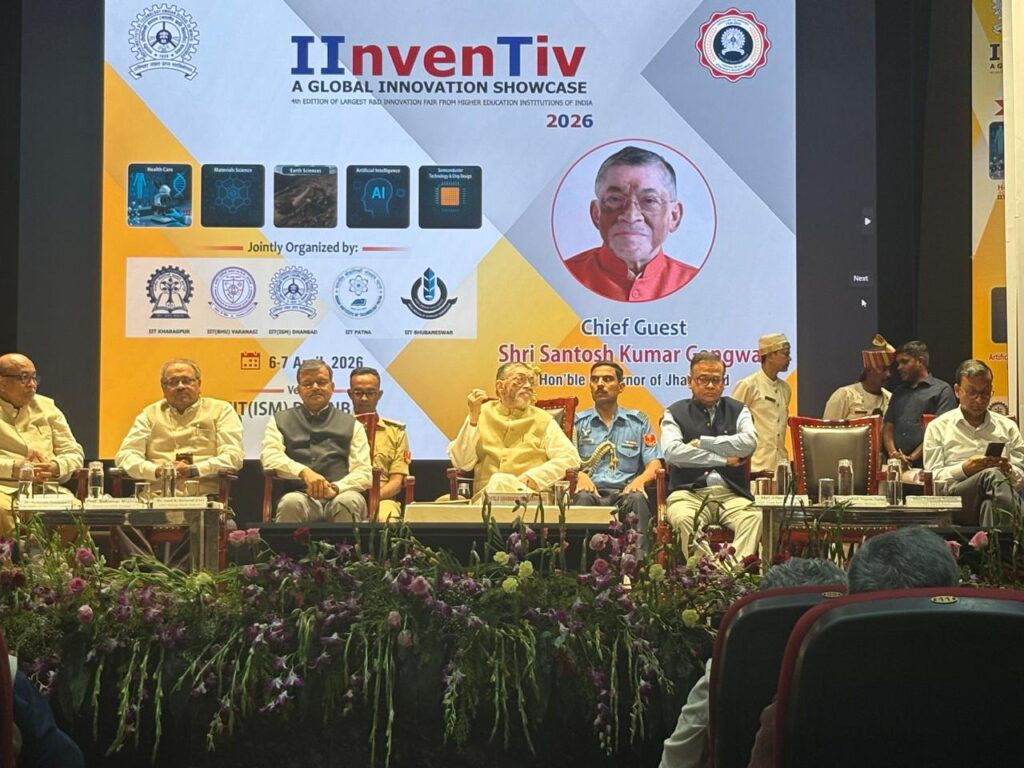
The formal inaugural session was graced by the Hon’ble Governor of Jharkhand, Shri Santosh Kumar Gangwar, who inaugurated the event as the Chief Guest, in the presence of distinguished Guests of Honour including Shri Athar Shahab, Managing Director, Zuari Industries Limited; Ms. Vaishali Nigam Sinha, Co-Founder, ReNew; Shri Sandeep Kumar, Vice President, Tata Steel; and Dr. Sunil K. Barnwal (IAS), CEO, National Health Authority. The dignitaries collectively emphasized the importance of innovation-led growth, sustainability, and strong industry- academia linkages in shaping India’s technological future.
The inaugural day also featured a high-level Roundtable on Research, Development and Innovation (RDI), bringing together leading academic figures including Prof. Sukumar Mishra (Director, IIT ISM Dhanbad) along with Directors of IITs, NITs, and premier institutions, alongside industry leaders and venture capitalists. The discussions focused on scaling innovation in strategic sectors, building robust commercialization pipelines, and accelerating the transition of research into deployable technologies.
Delivering the welcome address, Prof. Sukumar Mishra, Director, IIT (ISM) Dhanbad, said: “IInvenTiv 2026 reflects our commitment to transforming research into real-world impact. By
bringing together academia, industry, startups, and investors, we are building a seamless pipeline where innovations can be validated, scaled, and taken to the global stage through Bharat Innovates 2026.”
In his address, Shri Santosh Kumar Gangwar, Hon’ble Governor of Jharkhand, described IInvenTiv 2026 as a transformative platform shaping India’s innovation-driven future. Recalling India’s legacy as a global knowledge leader, he emphasized the need to convert research into societal solutions and enterprise, and highlighted advancements across AI, healthcare, semiconductors, and materials. He underscored national initiatives such as Atmanirbhar Bharat and NEP 2020, urging youth to innovate with discipline and vision towards a developed India by 2047.
Ms. Vaishali Nigam Sinha, Co-Founder, ReNew, termed IInvenTiv 2026 as a reflection of New India’s intellectual ambition, noting that innovation is now a necessity amid climate and technological transitions. She highlighted India’s rapid progress in clean energy and emphasized that the ReNew Centre of Excellence will play a key role in skilling, inclusion, and enabling a just energy transition, particularly in coal-bearing regions.
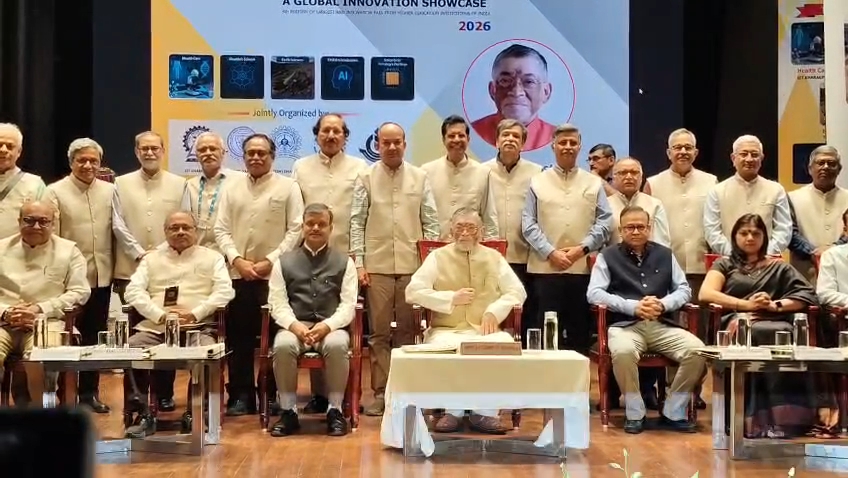
Shri Sandeep Kumar, Vice President, Tata Steel, described IIT (ISM) as a cradle of innovation, stressing that curiosity-driven thinking is the foundation of progress. He highlighted the importance of industry-academia collaboration in driving meaningful R&D, and encouraged students and researchers to pursue bold ideas that can translate into scalable industrial solutions.
Dr. Shirshendu Mukherjee, Managing Director, Wadhwani Innovation Network, emphasized that true progress lies in translating science into societal impact. He noted that the Wadhwani Centre of Excellence will act as a bridge between research, industry, and national capability, fostering a systems-driven approach to innovation, skilling, and entrepreneurship.
Shri Athar Shahab, Managing Director, Zuari Industries Limited, highlighted India’s dependence on imported industrial technologies and stressed the need for indigenous innovation and manufacturing capabilities. He called for deeper collaboration between academia and industry to create self-reliant, innovation-driven industrial ecosystems.
Dr. Sunil K. Barnwal, CEO, National Health Authority, spoke about India’s strong digital health foundation under Ayushman Bharat and the Ayushman Digital Mission, highlighting the potential of AI-driven predictive and preventive healthcare. He emphasized that innovation built on digital public infrastructure can enable a connected, intelligent healthcare system for the future.
Centres of Excellence Inaugurated
A major highlight of the inaugural day was the inauguration of two key Centres of Excellence. The ReNew Centre of Excellence is focused on enabling a coal-to-green transition, providing skilling opportunities and sustainable livelihoods for communities dependent on coal-based economies.
The Wadhwani Innovation Network Centre of Excellence on Critical Minerals, backed by significant investment, aims to drive research, innovation, and capacity building across the critical minerals value chain, strengthening India’s capabilities in clean energy technologies, advanced manufacturing, and strategic resources. Both centres reflect a strong emphasis on sustainability, inclusivity, and future-ready innovation ecosystems.
Technology Demonstration and Innovation Showcase
The event also witnessed the unveiling of Technology Demonstration Zones, showcasing over 150 innovations across sectors such as Artificial Intelligence, healthcare, semiconductor technology, materials science, and earth sciences—demonstrating India’s growing strength in deep-tech innovation and readiness for global scaling.
Plenary Session 1 (Day 1): Semiconductor Technology and Chip Design
The first plenary session focused on semiconductor technology and chip design, moderated by Prof. Devendra Jalihal (Director, IIT Guwahati). Speakers including Prof. V. Kamakoti, Prof. Rangan Banerjee, Shri Raghu Panicker, and Dr. Wasi Uddin deliberated on building a robust domestic semiconductor ecosystem, emphasizing indigenous capabilities, policy support, talent development, and integration into global supply chains.
Plenary Session 2 (Day 1): Artificial Intelligence
Moderated by Prof. T. N. Singh (Director, IIT Patna), this session brought together leading voices from academia, industry, and investment. The panel deliberated on scaling AI innovations, highlighting applications in infrastructure, energy, and digital systems, while stressing the importance of ethical AI, data governance, and investment frameworks.
Plenary Session 3 (Day 1): Material Sciences
The session on material sciences, moderated by Prof. Amit Patra, explored next-generation materials and their industrial applications. Experts emphasized the need for global collaboration, commercialization pathways, and sustainable material innovations to support sectors such as clean energy and advanced manufacturing.
Plenary Session 4 (Day 1): Healthcare Innovations
Moderated by Prof. Suman Chakraborty, this session focused on healthcare and life sciences innovations, with discussions on digital health ecosystems, biotech advancements, and scalable healthcare delivery models. The integration of public digital infrastructure with innovation ecosystems emerged as a key theme.
Plenary Session 5 (Day 1): Earth Sciences
The final plenary session, moderated by Prof. Sukumar Mishra, highlighted sustainable mining, advanced exploration technologies, and resource management strategies. Experts emphasized balancing economic growth with environmental sustainability, supported by technology and policy innovation.
The day concluded with a fireside chat with venture capitalists, offering insights into investment trends, startup scaling strategies, and global market integration.
On the concluding day (Day 2), the programme will feature academia-to-business (A2B) matchmaking and startup pitching sessions, which will deliberate on bridging innovation with industry adoption and investment opportunities. Expert sessions on innovation ecosystems and digital public infrastructure will further enrich the discourse, followed by a concluding session outlining the roadmap ahead.
As a strategic precursor to Bharat Innovates 2026, IInvenTiv 2026 is poised to identify and elevate India’s most promising innovations to the global stage, reinforcing the country’s emergence as a leader in deep-tech innovation, collaboration, and entrepreneurship.



More Stories
Reliance Foundation Presents 25 Electric Buses To TTD.
University Of Canberra – Tournament Brings Together 24 School Teams And More Than 300 Young Cricketers.
Huge Free Health And Legal Counseling Camp Organized In Trilokpuri; Over 70 Women Benefited.