





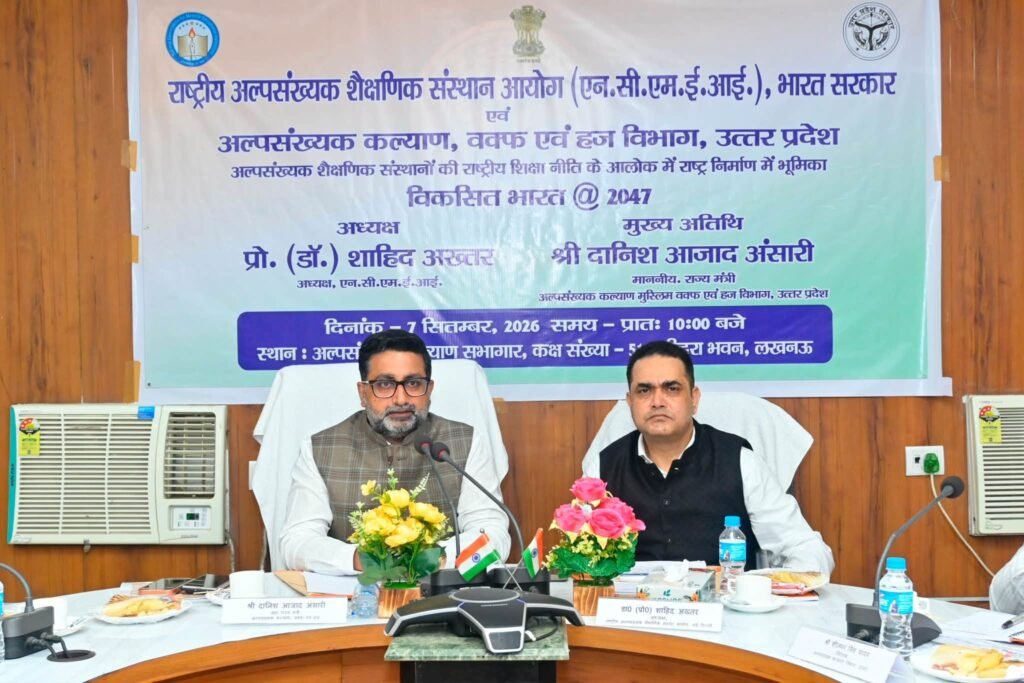
Lucknow, 7th of September, 2026 : A significant meeting was organised on 7 September 2026 at Indira Bhavan, Lucknow, with the objective of further strengthening the role of minority educational institutions in the process of nation-building and ensuring their active participation in the national vision of Viksit Bharat @2047.
The meeting was jointly organised by the National Commission for Minority Educational Institutions (NCMEI), Government of India, and the Department of Minority Welfare and Waqf, Government of Uttar Pradesh. The discussions were held in the broader context of the National Education Policy (NEP) 2020, focusing on the role of minority educational institutions, their rights, institutional challenges, future priorities and their potential contribution towards achieving the goals of a developed India.
The meeting was chaired by Prof. (Dr.) Shahid Akhtar, Officiating Chairman, National Commission for Minority Educational Institutions (NCMEI). Shri Danish Azad Ansari, Minister of State for Minority Welfare, Waqf and Haj, Government of Uttar Pradesh, attended the meeting as the Chief Guest.
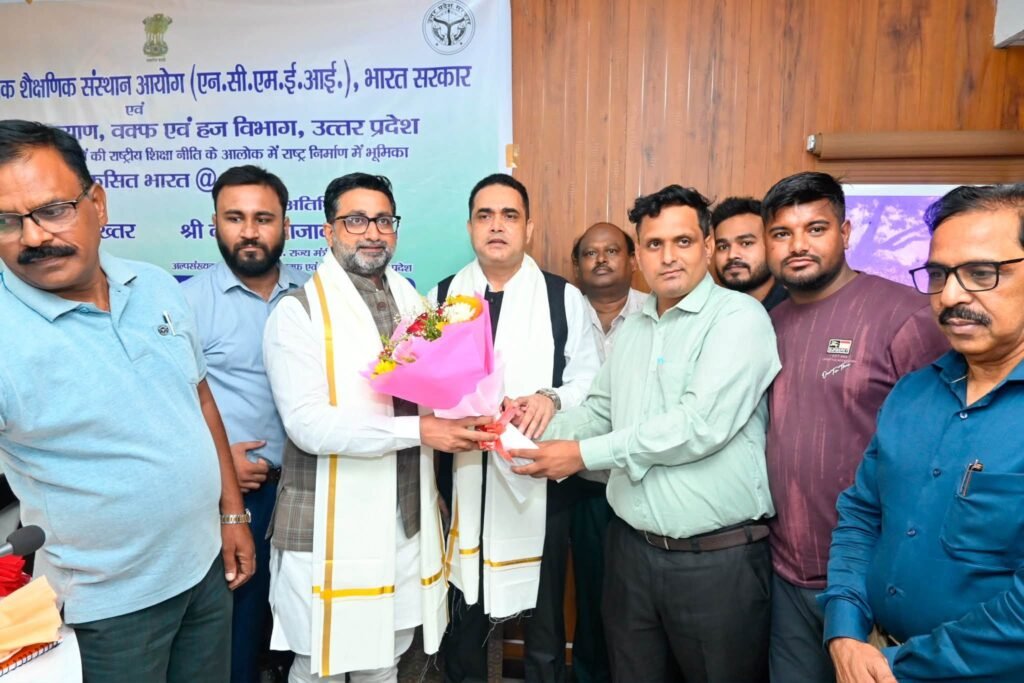
Shri Shailendra Singh Yadav, Director, Minority Welfare, Uttar Pradesh, along with representatives, managers, office-bearers and other stakeholders from various minority educational institutions in Lucknow, was also present.
Minority Educational Institutions Are Important Partners in Nation-Building
The meeting highlighted the significant role that minority educational institutions can play in making India’s education system more inclusive, qualitative and future-oriented. It was emphasised that such institutions are not limited to the delivery of education alone; they can also make an important contribution towards expanding opportunities for different sections of society, developing the capabilities of young people, promoting social harmony and contributing to the broader process of national development.
While discussing the wider vision of Viksit Bharat @2047, participants underlined that achieving the goal of making India a developed nation by 2047 would require all institutions in the education sector to clearly understand their responsibilities and undertake planned, focused and result-oriented efforts.
In this context, emphasis was placed on strengthening the role of minority educational institutions as active partners in India’s national development journey.
NCMEI’s Role in Protecting the Rights and Interests of Minority Educational Institutions
While chairing the meeting, Prof. (Dr.) Shahid Akhtar, Officiating Chairman, NCMEI, highlighted the efforts being made by the Commission to safeguard the rights and interests of minority educational institutions.
He emphasised the importance of educational institutions remaining aware of their rights, responsibilities and institutional procedures while maintaining appropriate coordination with the concerned departments and authorities.
Representatives of institutions were particularly advised that institutions required to complete the process of obtaining minority status should take the necessary steps in a timely manner and coordinate with the concerned departments and competent authorities to complete the required procedures.
It was also underlined that streamlining institutional processes, strengthening necessary documentation and establishing effective communication with relevant departments are important for the long-term development and effective functioning of educational institutions.
Call for Every Institution to Prepare an Action Plan for Viksit Bharat @2047
One of the key areas of discussion during the meeting was ensuring the structured and meaningful participation of minority educational institutions in achieving the national vision of Viksit Bharat @2047.
Representatives were encouraged not to limit their engagement to discussions around broad national goals, but to prepare clear institutional action plans at their respective levels. Such action plans may define institutional priorities, responsibilities and future activities in a systematic manner.
Institutions were encouraged to clearly identify internal responsibilities and assess their potential contribution towards the broader objective of a developed India.
It was further emphasised that each institution should develop its plans in accordance with its own circumstances, capacities and challenges, with a focus on strengthening the quality of education, institutional capacity and contribution to society.
Institutions Asked to Submit Five Suggestions on Challenges and Concerns
The meeting also encouraged minority educational institutions to systematically identify the major challenges and concerns they face.
Representatives were requested to submit five key suggestions each regarding the challenges faced by their institutions. The objective of this exercise is to better understand the actual needs of educational institutions, administrative and institutional challenges, and their future priorities.
It was emphasised that the experiences and suggestions of educational institutions working at the grassroots level can make a useful contribution towards policy discussions and institutional reforms.
The suggestions submitted by the institutions can also help develop a better understanding of the key challenges being faced by different stakeholders in the education sector and identify areas where improved coordination and necessary interventions may be required.
Education, Employment and Development Are Key Priorities of the State Government: Danish Azad Ansar
Addressing the meeting, Shri Danish Azad Ansari, Minister of State for Minority Welfare, Waqf and Haj, Government of Uttar Pradesh, said that the Government of Uttar Pradesh and the Department of Minority Welfare are continuously working for the welfare and development of minority communities in the State.
He said that education, employment and development are among the key priorities of the State Government. Access to education and opportunities, he noted, is essential for connecting all sections of society with the mainstream of development.
Highlighting the role of minority educational institutions, he said that such institutions can make an important contribution towards providing quality education and better opportunities to young people.
He further emphasised that when educational institutions prepare their students with the knowledge, skills and capabilities required for the future, they can contribute more effectively to the development of both the State and the nation.
Shri Danish Azad Ansari also reiterated that the Government is continuously working on issues related to the welfare and development of minority communities and that strengthening opportunities for education and employment is an important part of the broader development process.
Discussion on Institutional Capacity and Inclusive Education in the Context of NEP 2020
The meeting was organised in the context of the National Education Policy 2020. Discussions focused on the need for educational institutions to align their institutional functioning, priorities and future plans with the broader direction and objectives of the evolving educational landscape.
Participants discussed the importance of institutional capacity, improved coordination and future-oriented thinking in the field of education.
Minority educational institutions were encouraged to actively participate in this broader process of transformation and to take steps towards strengthening their institutional systems and capacities.
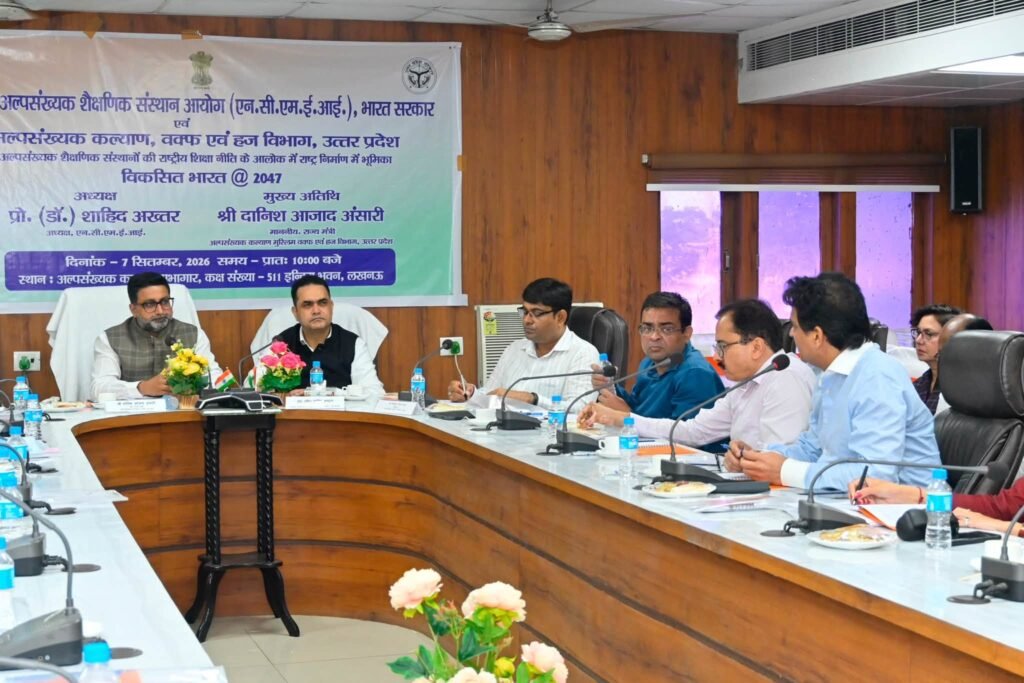
Representatives of various institutions also shared their experiences and views and discussed a range of issues related to education and institutional development.
Need for Stronger Coordination Between Government, NCMEI and Educational Institutions
The meeting placed special emphasis on the need for effective communication and coordination between educational institutions, concerned government departments and regulatory bodies.
Minority educational institutions were encouraged to maintain regular contact and coordination with the relevant departments on matters related to their institutional development, rights and required procedures.
It was also highlighted that stronger cooperation among various institutions and stakeholders can help identify challenges and concerns more effectively and facilitate better efforts towards finding appropriate solutions.
Education Has a Central Role in the Vision of Viksit Bharat
A key message that emerged from the meeting was that education occupies a central position in achieving the vision of Viksit Bharat @2047.
Quality education is not only a means of individual advancement but also forms the foundation of the economic, social and institutional progress of society and the nation.
Minority educational institutions can play an important role in this process by connecting young people with opportunities, developing their capabilities and preparing them for future requirements.
Institutions were encouraged to undertake active and planned initiatives at their respective levels while keeping the broader objectives of national development in view.
An Important Initiative Towards Strengthening Institutional Participation
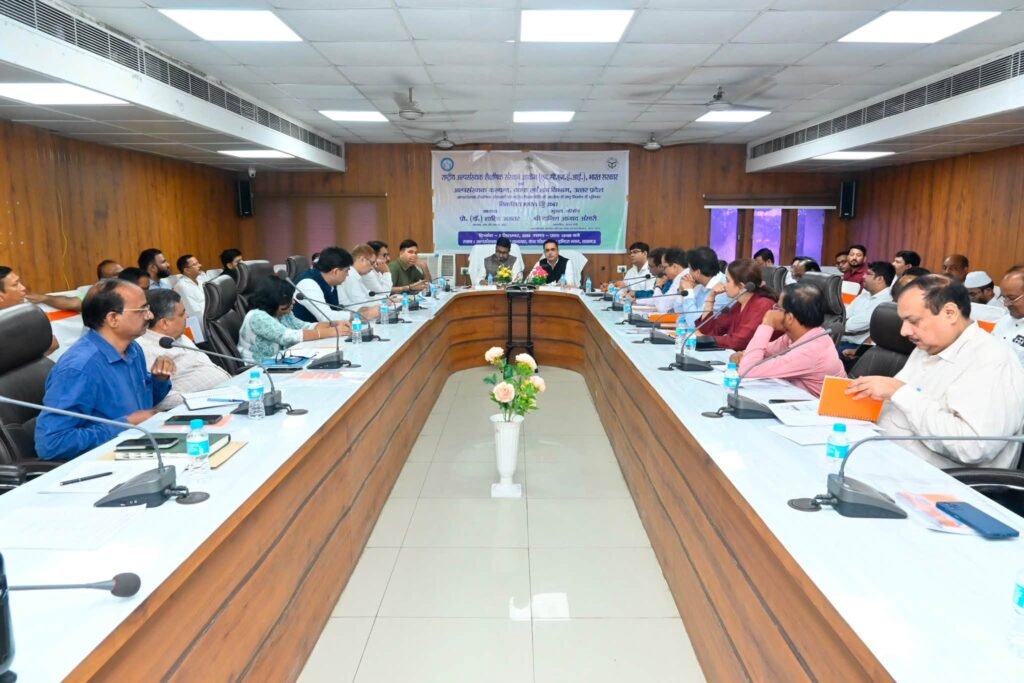
Representatives and office-bearers of various minority educational institutions actively participated in the meeting.
The interaction provided an important opportunity to strengthen dialogue and cooperation between minority educational institutions, the National Commission for Minority Educational Institutions (NCMEI) and the concerned departments of the Government of Uttar Pradesh.
Key themes emerging from the discussions included strengthening institutional capacity, completing necessary procedures, improving the quality of education, identifying institutional challenges and preparing clear action plans for contributing towards the vision of Viksit Bharat @2047.
Call for Active Participation in the Collective Journey of Nation-Building
The meeting concluded with the emphasis that the vision of a developed India cannot be realised through the efforts of the Government or any single institution alone. It requires the active participation of different sections of society, educational institutions, communities and relevant organisations.
Minority educational institutions can make an important contribution to this collective journey of nation-building by strengthening their role in the fields of education and social development.
Participants were encouraged to clearly define their responsibilities, prepare future-oriented action plans and systematically present their challenges and suggestions.
The programme concluded with a vote of thanks to all the distinguished guests, officials, representatives of minority educational institutions and other participants.


More Stories
Selena Gomez Calls Vaping A Stupid Habit, Says Nicotine Addiction May Have Altered Her Voice; Doctor Explains Health Risks Of E-Cigarettes : Dr. Narayana Subramaniam, Lead Consultant – Head And Neck Surgery & Oncology, Aster Whitefield Hospital.
CTR-JK Tyre FMSCI Indian National Car Racing Championship 2026 set for season opener in Coimbatore.
Arthritis Is Not Just An Elderly Person’s Disease: Why Younger Adults Are Also Developing Joint Problems : Dr. Jasti Sri Rekha, Senior Specialist – Rheumatology, KIMS Hospitals, Electronic City, Bengaluru.