




New Delhi, Delhi, 2nd of October, 2026 : A city’s growth is visible not only in its buildings and roads, but also in how it responds to everyday challenges. The way waste is handled, communities participate and services are delivered can shape the quality of urban life. The Swachh Bharat Mission has given this everyday transformation a strong foundation across the country. Over time, the focus has moved beyond simply collecting and disposing of waste. Cities are finding ways to recover value from discarded material, encourage responsible habits and make municipal services more efficient. Green practices are also gaining ground as segregation, recycling, reuse and recovery become integral to local systems. Digital monitoring, data-driven systems and better service delivery are helping local bodies to work with greater precision. These efforts are gradually creating urban spaces that balance environmental responsibility with the needs of everyday life.
Cities Leading the Way in Sustainable Urban Transformation
Across different regions, cities are demonstrating how local solutions can translate into meaningful environmental outcomes. Their experiences show that sustainable urban transformation can take many forms. These include converting dumping grounds into integrated waste management facilities and promoting zero-waste practices. Technology is also improving everyday sanitation services and strengthening urban systems. The following stories highlight these diverse approaches.
A Greener Goa: Turning Waste into Energy
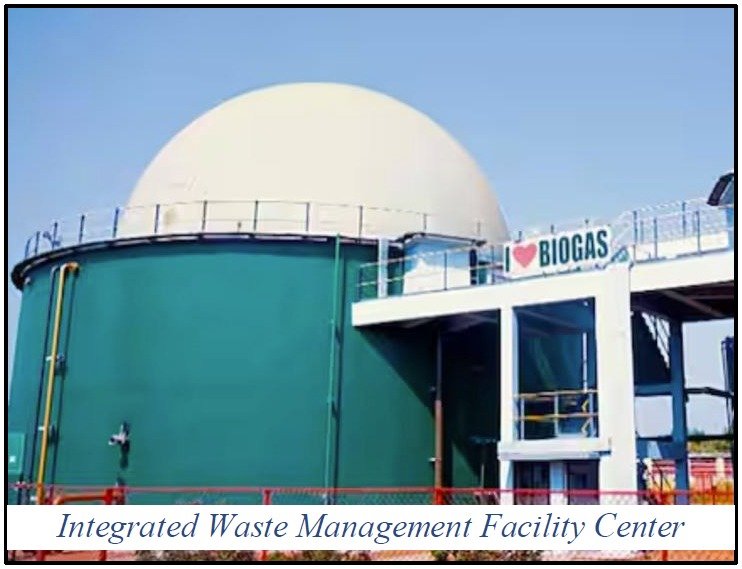
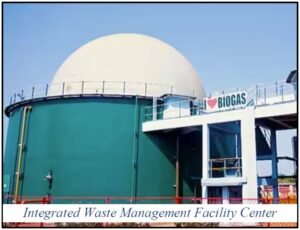
Located in the valleys of Saligao, Goa, the Integrated Waste Management Facility Center promotes environmental sustainability. Spread across 113,000 square metres, it is operated by the Goa Waste Management Corporation (GWMC). The facility was formerly used as a garbage dump. It has now been transformed into an integrated, eco-friendly waste management hub for Goa. The center manages 250 metric tons of wet and dry waste every day. At this plant, organic matter is separated from waste and converted into biogas, which helps generate electricity. This energy supports the needs of the local community by alleviating power shortages in the area.
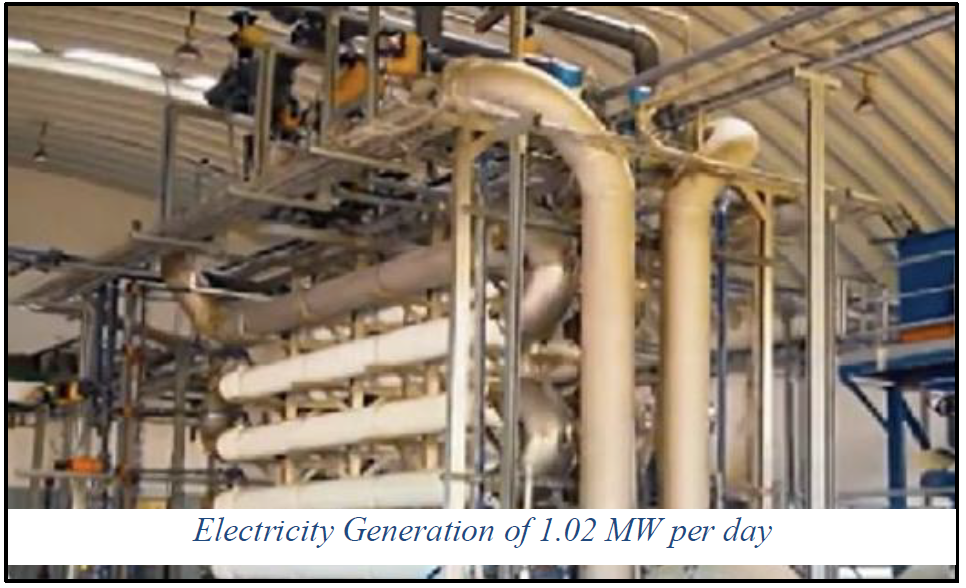
Wet waste from restaurants is converted into valuable bioproducts, including methane-rich biogas. Recyclable materials are recovered from 100 metric tons of dry waste processed at the facility. The remaining dry waste is sent to cement factories for co-processing. Additionally, 1.32 kilowatts of electricity is generated from wet waste at the facility. This electricity powers 35 units, with half supplied to the Goa Electricity Department. The plant also generates 7–8 tons of compost daily. Local panchayats use this compost for gardening and reforestation projects.
The integrated solid waste management facility is strengthening Goa’s waste management system, processing approximately one-third of the state’s total waste. People who once merely collected waste are now part of the plant’s trained workforce. This provides livelihood opportunities for several families in the region while benefiting the environment. The plant operates continuously throughout the year, aiming to make the city “zero waste”.
Gandhinagar’s Zero-Waste Journey: Citizens Driving Change
Gandhinagar in Gujarat stands as a strong example of swachhata and sustainability. Through its commitment to the Swachh Bharat Mission and participation in Swachh Survekshan, the city promotes a culture of cleanliness. Inspired by the global Zero Waste Week movement, the Gandhinagar Municipal Corporation organised impactful activities from 2nd to 7th September, 2026. These initiatives aimed to encourage behavioural change and promote the 3R principles: Reduce, Reuse and Recycle. Activities were conducted at 25 locations across the city, directly engaging more than 600 citizens. Targeted social media campaigns further reached and sensitised over 40,000 individuals during the week. The My Theli stalls became vibrant spaces for community participation and sustainable action across Gandhinagar. Citizens were encouraged to donate used clothes. Skilled women from local self-help groups transformed these donations into reusable carry bags.
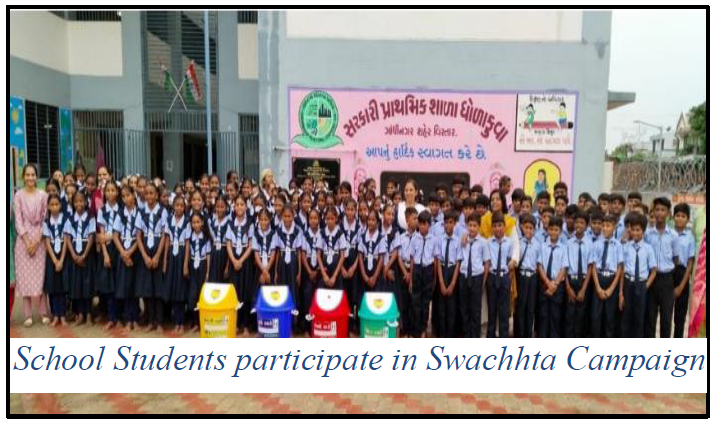
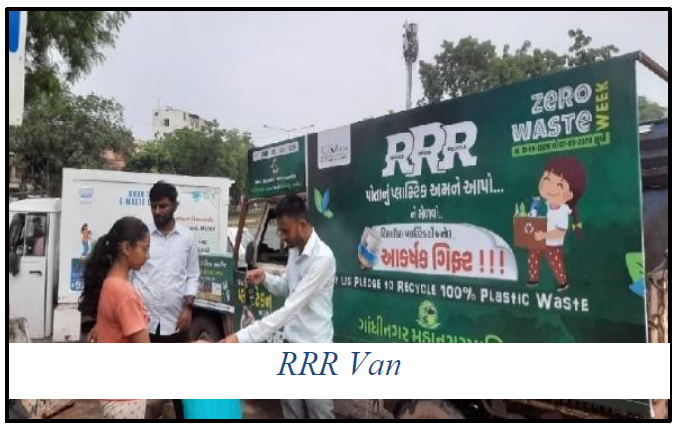
The “Swachhata Se Shuruvat” campaign was launched to encourage responsible practices among school students. Quiz competitions were organised to raise awareness about environmental concerns and responsible practices. Engaging and interactive games were designed through which students gained practical insights into sustainability. The Reduce, Reuse, Recycle van visited residents at their doorsteps to collect old clothes, plastic and electronic waste. Participants received rewards for their donations, encouraging greater community involvement. Citizens were also invited to share their personal efforts and daily practices through online testimonials. Through these initiatives, Gandhinagar is advancing its zero-waste vision. The city continues to strengthen resource-conscious practices while working towards the goal of Garbage Free Cities.
Kakinada’s Smart Approach to Efficient Waste Management
In Andhra Pradesh’s East Godavari District, Kakinada has emerged as a notable example of technology-enabled waste management. Kakinada generates around 144 tons of waste daily, comprising wet, dry and hazardous materials. The Kakinada Municipal Corporation manages this operation across 50 wards, which are further divided into 382 micro pockets. Each micro pocket covers 250 to 350 households and is managed by two sanitation workers.
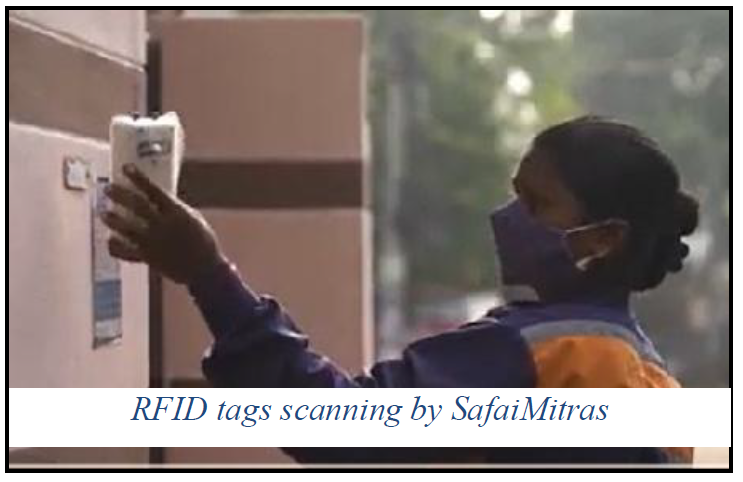
With around 112,993 households, over 973 sanitation workers have been employed to manage waste. These households are strategically organised into 40,661 designated waste collection points across the city. Digital tools are used to streamline waste collection and transportation. The Online Waste Management System (OWMS) tracks the process in real time. Radio Frequency Identification (RFID), facial recognition, GPS and a human resource management system (HRMS) further support workforce and transportation management. RFID chip-enabled tags are installed at the gates of every waste generator. Collectors scan these tags when waste is picked up. The scanned information is recorded in the OWMS, enabling officials to monitor collection progress. Continuous monitoring and dedicated sanitation staff have helped the system achieve 100% door-to-door collection.
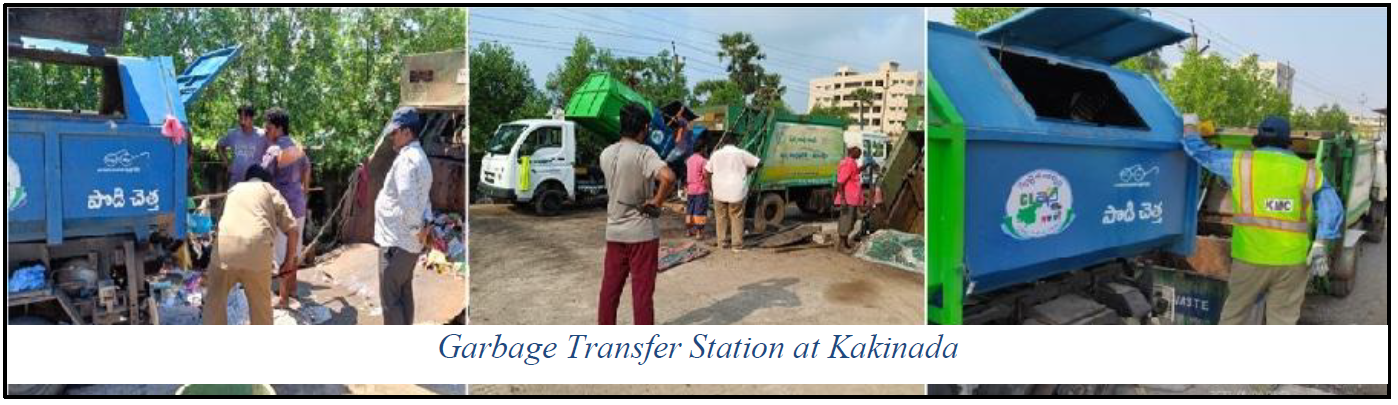
The Municipal Corporation has deployed 108 hopper vehicles equipped with GPS tracking devices. These monitor the transportation and report deviations during waste collection and transportation to processing plants. It has also introduced a Facial Recognition System (FRS) for all SafaiMitras. Workers can now record their attendance using facial recognition technology. This eliminates the need for manual attendance registers or fingerprint scanners. All these technologies are integrated into a Central Command Centre for close monitoring. Around 60% of residents now segregate waste at source. The combined efforts of sanitation workers and residents are strengthening Kakinada’s ability to manage its waste efficiently.
Ghaziabad: Turning Waste into Carbon Value
Ghaziabad, Uttar Pradesh, is advancing cleanliness and urban development while taking steps to reduce carbon emissions. The Ghaziabad Municipal Corporation (GMC) has registered for an international carbon credit project. The initiative is verified by the United Nations and combines environmental protection with potential financial benefits. Improved solid waste management under the Swachh Bharat Mission can reduce greenhouse gases such as methane from dumping sites.
Greater use of clean fuels and energy sources can also lower dependence on fossil fuels and reduce carbon emissions. In line with these efforts, the Ghaziabad Municipal Corporation has demonstrated its commitment to the Sustainable Development Goals. It has been accredited under the Verified Carbon Standard (VCS), supported by the United Nations Framework Convention on Climate Change (UNFCCC).
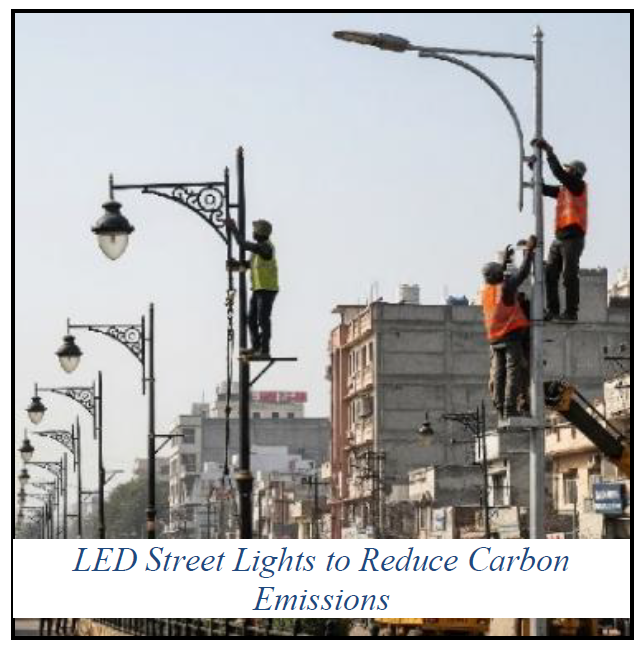
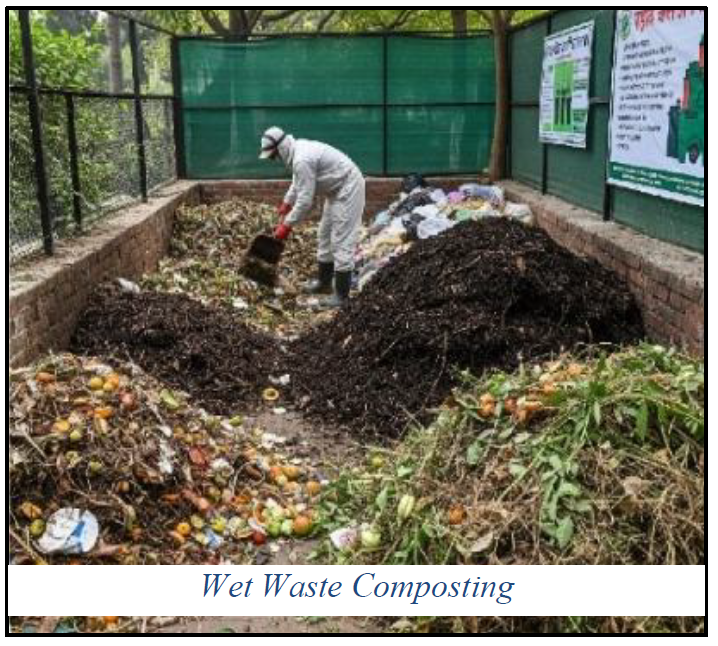
The GMC has replaced old streetlights across the city with energy-efficient LED lights. This measure reduces carbon emissions while also lowering electricity consumption. It is also adopting “wet waste composting” to produce compost from wet waste. This process supports faster waste management and helps reduce greenhouse gas emissions. Following Indore in Madhya Pradesh, Ghaziabad is set to become the first urban local body (ULB) in Uttar Pradesh and the second in the country to turn waste into a new source of value.
Together, these measures are expected to reduce carbon dioxide emissions by approximately 2.7 lakh tonnes. This reduction corresponds to 2.7 lakh carbon credits, with one tonne of carbon dioxide equivalent to one credit. Certified credits can be converted into revenue by being sold on the international carbon market. The initiative supports cleanliness, environmental protection and economic opportunities for Ghaziabad.
Building Cities That Value Every Resource
The transformation underway across cities reflects a broader shift in the way urban resources are managed. Technology is strengthening everyday sanitation services while citizens are becoming active participants in sustainable practices. Local solutions are creating visible improvements in everyday urban life. They also show the value of combining innovation with people’s efforts for effective waste management. Together, these approaches point towards urban systems that are not only cleaner, but also more circular and resource-efficient



More Stories
Young Boys Club Celebrating Its 57th Year Of Durga Puja With The Theme “Ram Rajya’, Bringing A Message Of Peace, Dignity And Harmony.
Africa24 Brings Alamein Africa Forum 2026 Live.
Mumbai To Dance To Bhoomi Trivedi’s Voice As Rang Raas 2026 Sets The Stage For A Grand Garba Celebration.