
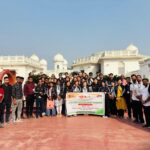
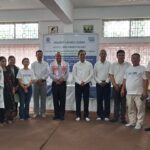

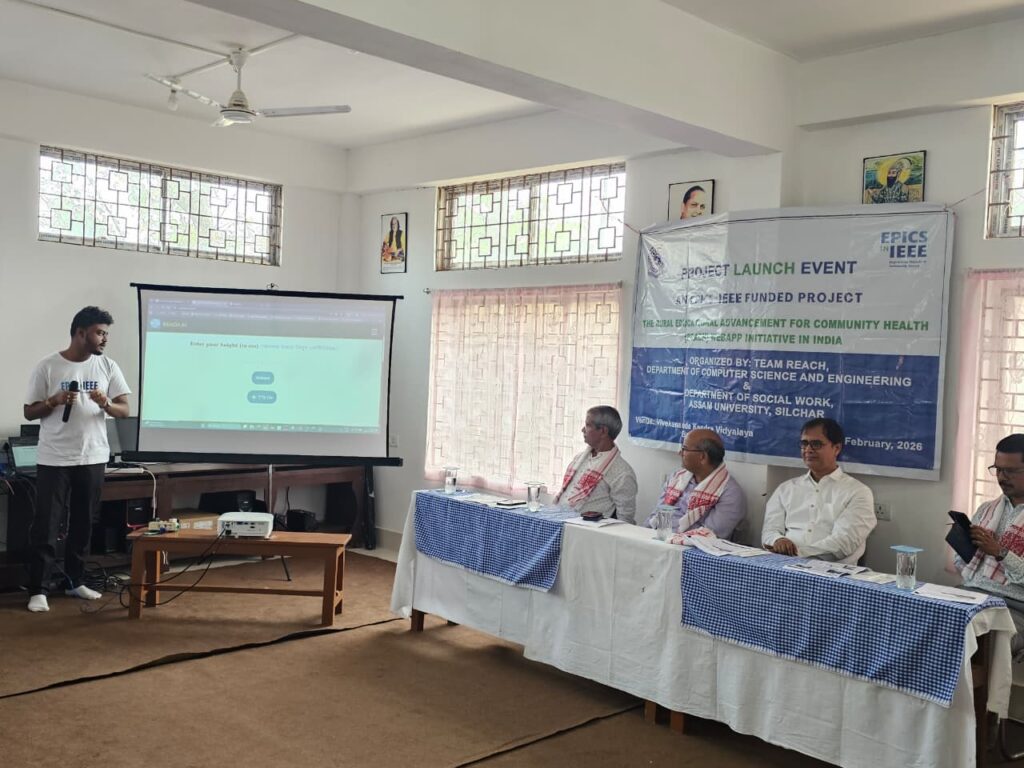
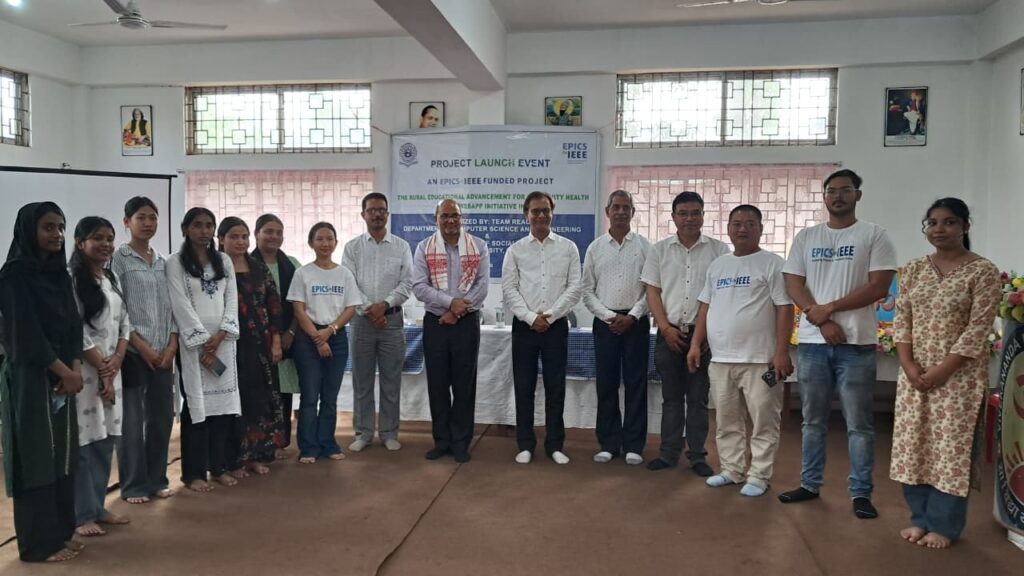
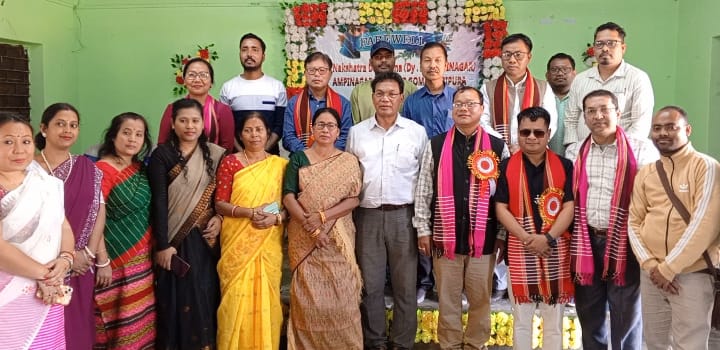
Guwahati, Assam, 28th of February 2026 : Team REACH successfully launched its flagship digital nutritional and health initiative, Rural Educational Advancement for Community Health (REACH) under the EPICS in IEEE Project at Vivekananda Kendra Vidyalaya, Borjalenga on 28 February 2026. The initiative marks a significant milestone in strengthening rural health literacy and nutritional awareness through a technology-enabled, community-centered approach. Designed as a sustainable and scalable digital platform, the REACH WebApp seeks to bridge critical gaps in preventive healthcare and nutrition support in regions where access to doctors and nurses remains limited. By integrating educational advancement with community health empowerment, the project aligns academic innovation with grassroots realities and aims to promote informed decision-making, early awareness, and long-term behavioural change.
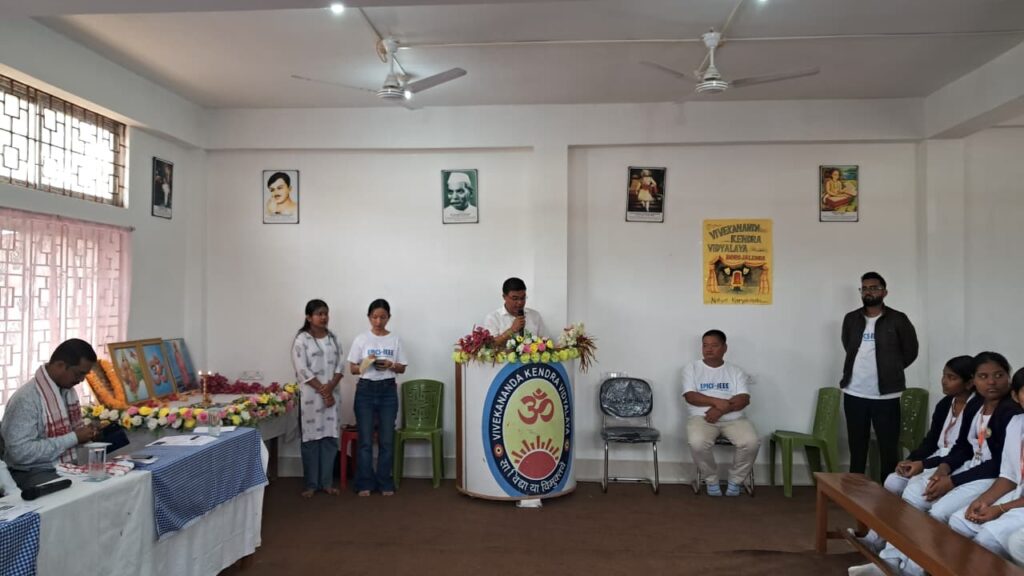
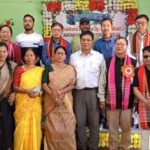
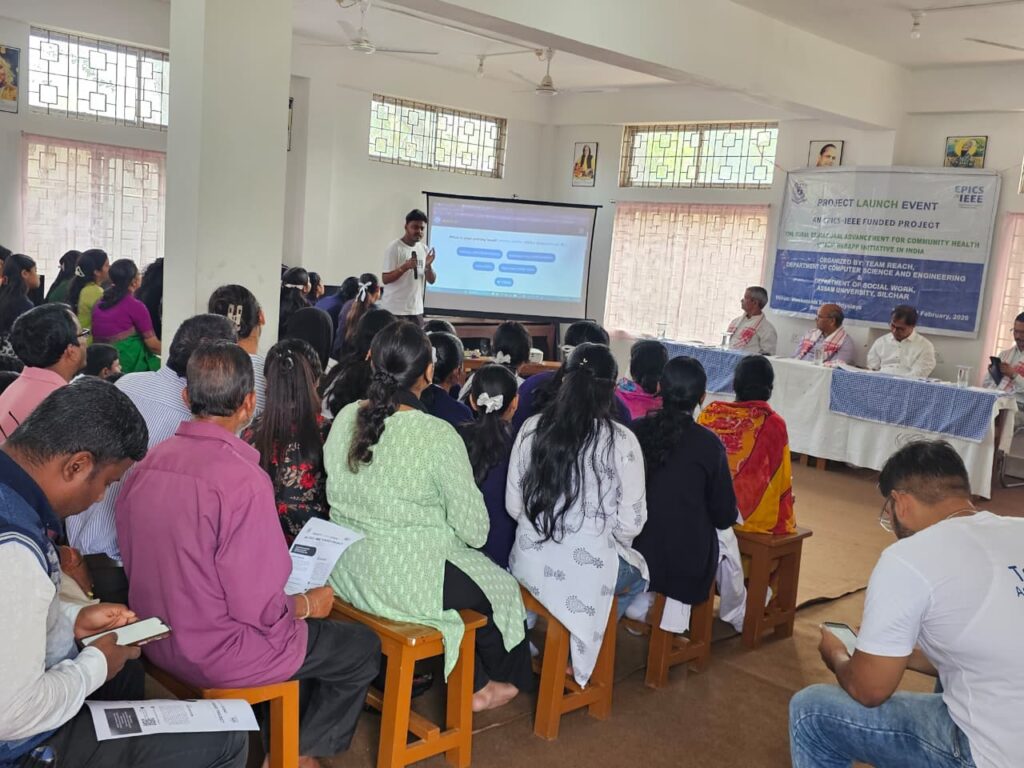
The WebApp was formally inaugurated by the Hon’ble Vice Chancellor of Assam University, Rajive Mohan Pant, in the presence of Shri Ishwarbhai Ubadhia, General Manager of Rosekandy Tea Estate; Sudipto Roy, Dean, TSSOT; and Partha Sarathi Deb, Principal of VKV Borjalenga. Nearly 120 community members, including parents, teachers, and local stakeholders, actively participated in the launch and deployment, reflecting strong community ownership and engagement. In his address, the Hon’ble Vice Chancellor emphasised that universities must move beyond conventional outreach and adopt technology-driven solutions that are socially responsible, sustainable and replicable. Shri Ishwarbhai Ubadhia lauded the initiative as a forward-looking intervention capable of strengthening rural health ecosystems and fostering resilience among tea garden and village communities. Both dignitaries highlighted the importance of a principled and balanced lifestyle, noting that nearly 95 percent of prevalent diseases are closely linked to lifestyle patterns, thereby reinforcing the need for preventive health education.
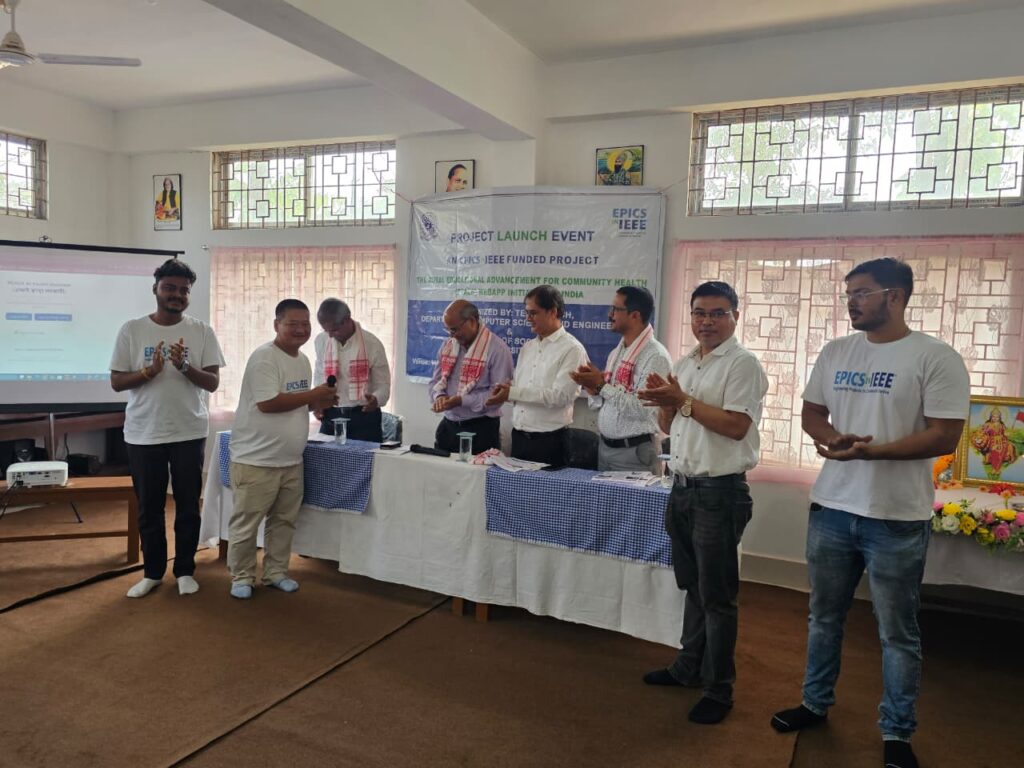
The REACH–EPICS in IEEE project exemplifies interdisciplinary academic collaboration and socially responsive student innovation under the global EPICS framework. The initiative is guided by Dr. Mousum Handique, Faculty Advisor, Dr. Arnab Paul Technical Lead and Dr. Lalzo S. Thangjom, Community Liaison, whose academic leadership and field coordination ensured effective implementation. Student members Mr. Kamalesh Debnath, Mr. Srijinjoy Das and Ms. Avantika Langthasa played a pivotal role in the design, development and community orientation of the WebApp. The project was further strengthened through collaboration with Nobokishore Akura, Coordinator of Citizen Foundation NGO, who served as a key community partner in facilitating outreach and local engagement.
The successful launch of the REACH WebApp represents more than a technological intervention; it embodies the spirit of inclusive growth and participatory development envisioned under national missions such as Digital India and the broader vision of Viksit Bharat 2047. By leveraging digital innovation to empower rural communities with accessible health and nutrition knowledge, the initiative contributes to building a digitally connected, health-aware and self-reliant society. The project underscores how higher educational institutions can play a catalytic role in advancing grassroots transformation, ensuring that the benefits of digital progress reach the last mile. With sustained institutional support, community participation, and collaborative partnerships, REACH is poised to emerge as a replicable model for rural digital health empowerment, aligning local action with national aspirations for a developed, digitally empowered India.
The REACH WebApp stands out from other nutrition- and health-based digital platforms because its recommendations are entirely contextualised to the local socio-economic and cultural setting. Unlike generic applications that provide standardised dietary charts and health suggestions, REACH offers guidance grounded in locally available food items and resources, easily accessible at the Borjalenga market and in the surrounding areas of the Barak Valley region in Assam, India. This localized design ensures affordability, cultural relevance and practical applicability for community members. By tailoring nutritional advice and preventive health recommendations to the Borjalenga context, the initiative strengthens community ownership and increases the likelihood of sustained behavioural change, making it a uniquely community-centric and region-responsive digital health intervention.
About The Author

More Stories
Apollo Hospitals Vice Chairperson Upasana Kamineni Konidela Inaugurates 1000th Apollo Pharmacy Store In Telangana.
Vice-President Graces Valedictory Function Of Centenary Celebrations Of St. Berchmans College, Changanassery.
MoCA Reviews Aviation Preparedness In View Of Emerging Situation In The Middle East.