





Bengaluru, Karnataka, 26th of March 2026 : At 45, Shalini thought the hardest part of her early breast cancer diagnosis would be chemotherapy. But months after her tumour was removed and chemotherapy ended, she found herself lying awake at night, replaying one thought: What if it comes back? Her doctors had explained that her cancer was detected early and that further treatment would help reduce the risk of recurrence. Still, the uncertainty felt heavy. What steadied her was not just medical reassurance, it was her daughter setting daily medication reminders on her phone, her husband accompanying her to every follow-up visit, and her family treating each clear scan as a shared victory. In those quiet acts of support, Shalini found the strength to focus not only on survival, but on living fully again.
Early breast cancer today is increasingly treatable, with outcomes improving due to timely diagnosis and evolving therapies. Yet the journey doesn’t end with surgery or chemotherapy. The possibility of recurrence can weigh heavily, and extended treatments may continue for months or years to reduce that risk. During this phase, quality of life, physical energy, emotional stability, and daily routine, becomes just as important as medical milestones. This is where loved ones play a defining role.
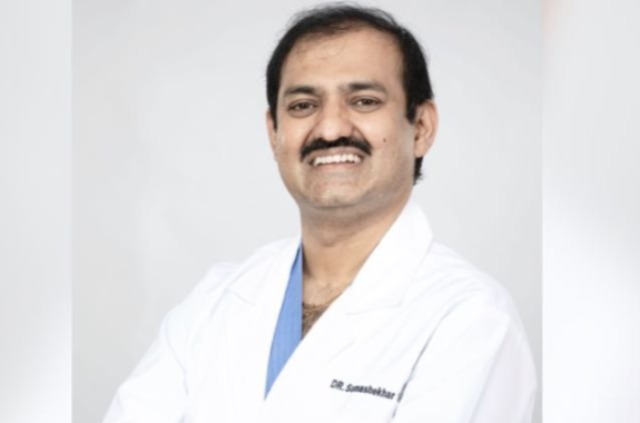
Prof Dr Somashekhar SP, Chairman Medical Advisory Board, Aster DM Healthcare & Global Director, Aster International Institute of Oncology Bangalore India, said, “It’s a common misconception that early breast cancer is completely curable. The reality is that the risk of recurrence can be as high as 50%.[1]So, our main goal is to minimize this risk of recurrence, not just treat the initial tumor. Advanced targeted therapies allow us to do this effectively for eligible patients, helping them maintain their quality of life. Family support is crucial in this journey, as their understanding encourages patients to adhere to treatment and builds emotional resilience.”
Supporting someone through early breast cancer is not about grand gestures. It is about consistent, informed, compassionate presence. Here are 4 ways you can support your loved ones through their early breast cancer journey-
1. Learn About Advanced Treatments Together
For women diagnosed with early breast cancer, advanced therapies including hormone-based drugs and targeted treatments can reduce the risk of recurrence while maintaining the quality of life. Take the time to understand why additional therapy may be recommended even after the tumour is removed. Be actively involved during medical consultations- attend doctor appointments together write down questions in advance, and discuss concerns openly. When you learn together, decisions feel shared rather than overwhelming, and adherence to treatment becomes stronger.
2. Create Space for Recurrence Conversations
Fear of recurrence can surface suddenly, before a scan, during a minor ache, or even on a happy day. Instead of dismissing worries, acknowledge them. Simple words like, “I’m here, tell me what you’re feeling,” can ease emotional isolation. Being a safe space for vulnerability strengthens trust and reduces silent anxiety.
3. Protect Quality of Life in Everyday Ways
Healing is not only clinical, it is deeply personal. Help maintain balanced meals, encourage doctor-approved physical activity, and support adequate rest. Manage medication reminders if needed. Plan small activities that bring joy and normalcy. By focusing on energy, positivity, and routine, you help ensure that treatment supports life, rather than putting it on hold.
4. Celebrate Progress, However Small
Completion of a treatment cycle, a stable scan, improved lab results, or even a week of regained strength, each is worth acknowledging. Create rituals around milestones, whether it’s a favourite meal, a family photo, or a quiet moment of gratitude. These celebrations shift the focus from fear of recurrence to shared resilience.
Early breast cancer may begin as a medical diagnosis, but navigating recurrence risk and long-term therapy is a shared journey. Advanced treatments are reshaping outcomes, offering renewed hope for recurrence-free futures and preserved quality of life. Yet the true pillar of strength often stands at home, in the loved one who listens, learns, shows up, and stays.
About The Author




More Stories
On The Sacred Occasion Of Ram Navami, We Revisit A Drape That Beautifully Embodies Devotion And Heritage.
General Elections And Bye-Elections 2026: Seizures Surpass Rs. 400 Crores.
DPIIT Signs MoU With A Digital Entertainment Company To Support Startups And Strengthen Innovation Ecosystem.