





UK/New Delhi, Delhi, 6th of August, 2026 : Artificial intelligence is rapidly reshaping healthcare, transforming how diseases are detected, diagnosed, and managed. What once took clinicians hours can now happen in seconds. AI systems can identify abnormalities on chest X-rays, predict the onset of sepsis before symptoms become critical, and analyze medical images with remarkable consistency.
These advances are helping hospitals improve efficiency, reduce delays, and support faster clinical decision making. As AI becomes increasingly embedded in healthcare, it also highlights the importance of human qualities that remain central to medicine. At St. George’s University (SGU) School of Medicine, preparing students to study medicine abroad for an AI-enabled healthcare landscape means ensuring they understand not only how to work with emerging technologies but also the human responsibility that comes with practicing medicine.
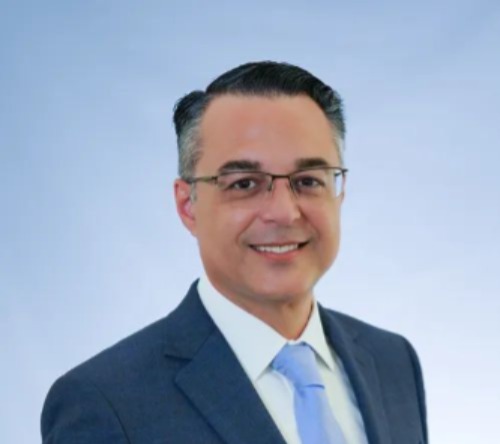
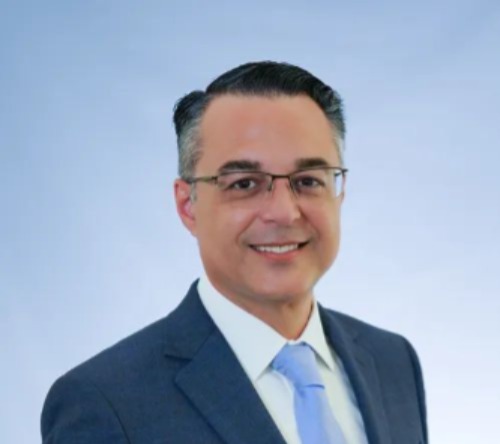
According to Dr. Marios Loukas, President and Dean of the School of Medicine at St. George’s University, School of Medicine, Grenada, West Indies, the answer is clear. “AI can read a chest X-ray in 1.3 seconds. It can flag a sepsis risk before a nurse has even finished charting. It can analyze a dermatology image with incredible accuracy. This is not science fiction,” Dr. Loukas said.
Healthcare systems worldwide are integrating AI into everyday clinical practice, from prioritizing urgent scans and identifying at-risk patients earlier to reducing administrative workloads. As a result, medical schools abroad must prepare future doctors to interpret AI-driven insights, understand their limitations, and make patient-centered clinical decisions. However, Dr. Loukas believes that while AI can strengthen healthcare delivery, it cannot replace the qualities that define good medicine. “AI cannot hold a patient’s hand,” he said. “It cannot look at a terrified mother and say, ‘I am here with you.’ It cannot sit with grief, and it cannot translate fear into trust.”
While algorithms excel at recognizing patterns and processing data, they cannot replace compassion, ethical judgement, or the human connection that patient care demands. At SGU, students are trained to embrace technological advances while developing the clinical judgement, professionalism and empathy that define doctors, preparing them for careers as international medical graduates.
“Medicine has always been about more than arriving at the right diagnosis,” Dr. Loukas said. “It is about understanding the person behind the diagnosis, listening to their concerns and helping them make some of the most important decisions of their lives.”
Rather than viewing AI as a replacement for physicians, Dr. Loukas sees it as a tool that can enhance patient care by reducing administrative burden and giving doctors more time to focus on patients. “The best doctors in the future will not compete with artificial intelligence. They will know how to work alongside it while never losing the compassion, ethics and human connection that patients depend on,” he added.
As healthcare continues to evolve, the future lies in allowing technology to handle what it does best while physicians focus on what no machine can ever replace: empathy, trust, ethical judgement and the human connection at the heart of every patient encounter. That is the future SGU believes tomorrow’s doctors should be prepared to lead.
About St. George’s University School of Medicine:
Founded in 1976, St. George’s University (SGU) is a centre for academic excellence worldwide. With students and faculty drawn from more than 150 countries, SGU is truly an international institution, with a uniquely global perspective. The SGU School of Medicine is accredited by the Grenada Medical and Dental Council which has been recognized by the World Federation for Medical Education (WFME). The school offers a four-year Doctor of Medicine (MD) degree program. Students can also enter the MD degree program from any education system around the world via the five-, six-, or seven-year MD Tracks. SGU has a large network of 75+ affiliated hospitals and health centres in the US and UK, with the unique opportunity for students to begin their medical career in Grenada or the UK.




More Stories
INDIA – Sri Lanka Annual Bilateral Maritime Exercise (SLINEX-26).
Resolved To Elevate India To The No. 1 Position In Global Silk Production: Shri Giriraj Singh, Union Minister Of Textiles.
Suryakiran Aerobatic Team Takes To Meerut Skies For The First Time.