




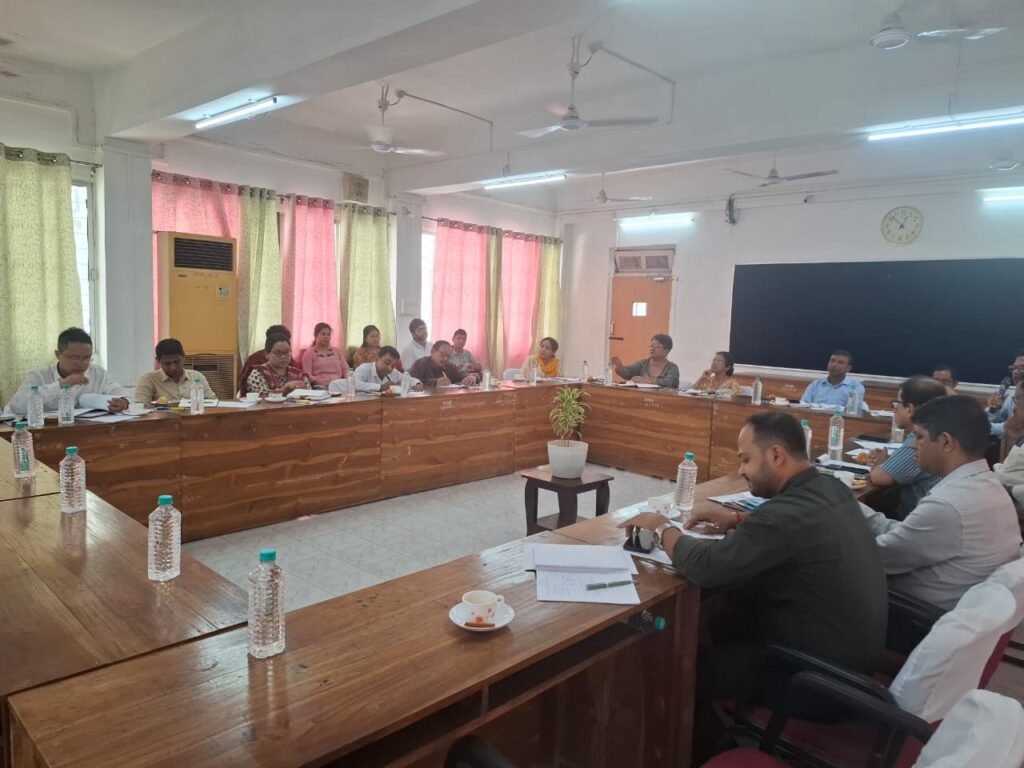
Agartala, Tripura, 1st of September, 2026 : As advised by the World Bank, the State Institute of Public Administration & Rural Development (SIPARD) organised a brainstorming session on August 31, 2026, to deliberate on research studies to be undertaken in the field of Tribal Affairs under the Tripura Rural Economic Growth and Service Delivery Project (TRESP). The session focused on identifying relevant and evidence-based research areas that can support better planning, policy formulation and future tribal development interventions, with a broader vision for TRESP 2.0.
Under TRESP, SIPARD is mandated to undertake research studies relating to tribal development. Initially, SIPARD had submitted five research proposals during 2023–24. Subsequently, the proposals were revised and four research proposals were forwarded to the World Bank for concurrence.
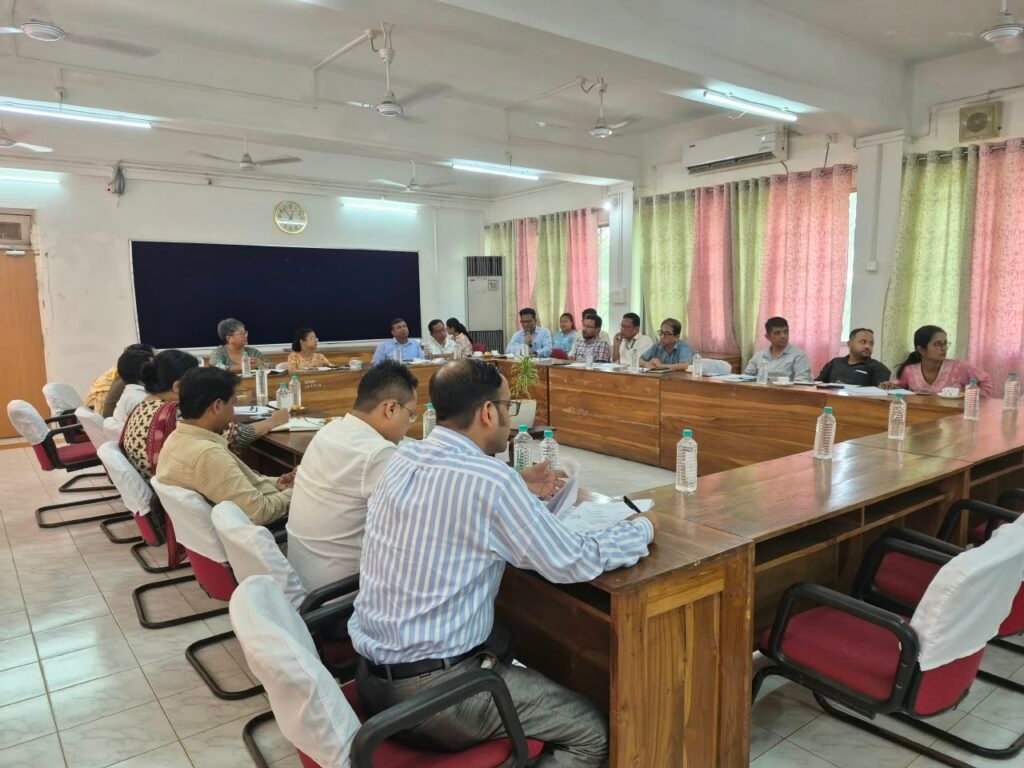
Senior Research Officer-cum-Deputy Project Director, TRESP, Sri Sukanta Paul, attended the brainstorming session as the representative of the Tribal Welfare Department. The Deputy Director of the Tribal Research and Cultural Institute was also present.
During the discussion, Sri Sukanta Paul advised SIPARD to continue the research initiative and emphasised that detailed research proposals should be prepared with clear objectives, methodology, indicators and measurable outcomes. He suggested that major Tribal Welfare Department interventions—including hostels, schools, Eklavya Model Residential Schools and other welfare initiatives—could be incorporated as variables wherever relevant. Such an approach, he noted, would enable the studies to assess the effectiveness and outcomes of government interventions in tribal areas.
SIPARD faculty members presented the background and rationale behind the proposed research themes, including access to public infrastructure, access to education, health and well-being, and growth of the primary sector in tribal areas. The presentations provided the basis for an extensive brainstorming session involving specialists and representatives from different domains.
The open-forum discussion brought together specialists from agriculture, livestock, fisheries, post-harvest management and livelihood sectors. IBSI Specialist Sonali Laskar, Agriculture Specialist Sri Subrata Shib, Livestock Specialist Dr. Joydeb Majumder, Fisheries Specialist Sri B. Hizom and Post-Harvest Specialist Sri Biplab Majumdar shared suggestions on different dimensions that could strengthen the proposed studies.
The discussion also highlighted the importance of examining women’s empowerment through Producer Groups under TRESP as a potential area of tribal livelihood research. Representatives associated with Deloitte suggested exploring areas such as sanitation, drinking water and emerging aspects of village development, which could generate useful evidence for future government programmes.
Tribal Development Specialist Sri Jiban Debbarma emphasised the need to explore tribal health services, superstition and traditional knowledge systems, while Agriculture Specialist Sri Subrata Shib suggested that SIPARD’s research should focus on identifying the actual development issues and challenges prevailing in tribal villages. Such evidence-based research, he noted, could help establish a stronger pathway for designing and implementing TRESP 2.0.
Nodal officers and programme managers from line departments also participated in the deliberations, including Mr. Samarjit Roy from Fisheries, Dr. Sujoy, Programme Manager–Livestock, Mr. Amlan Singha, Programme Manager–IBCB, along with Young Professionals from different thematic domains.
Considering the limited research budget and the large number of valuable suggestions emerging from the brainstorming session, it was discussed that SIPARD may prepare new research proposals for the coming year while carrying forward the existing studies with appropriate revisions in their research design, methodology and indicators based on the suggestions received during the session.
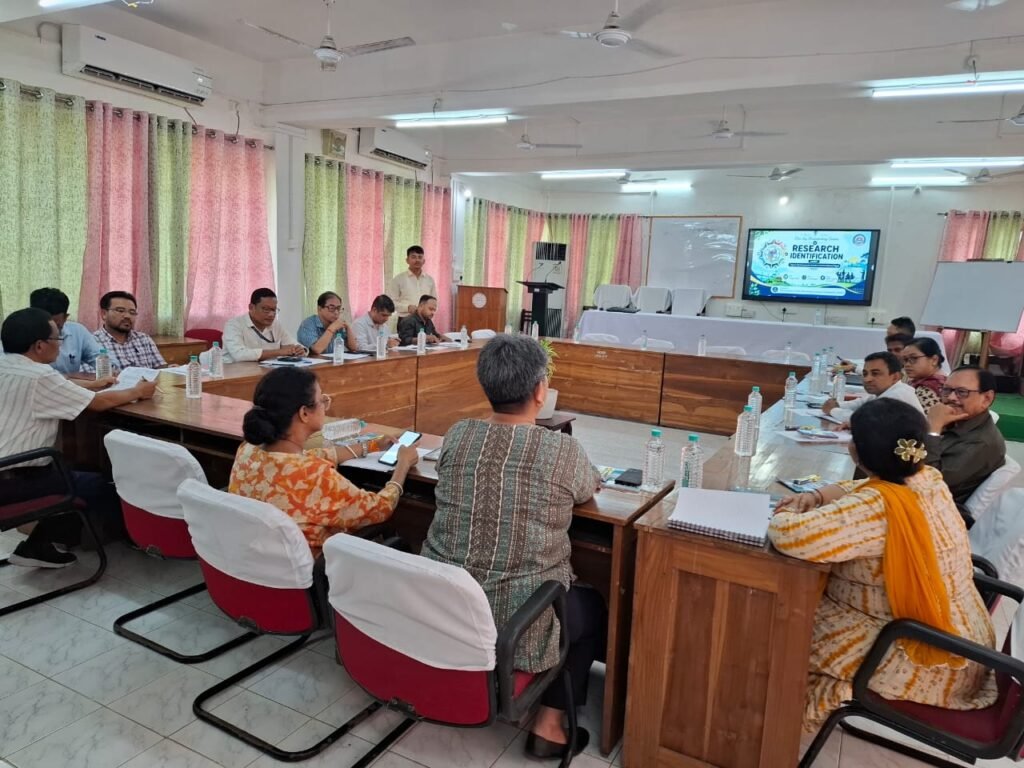
The brainstorming session thus provided an important platform for bringing together institutional, departmental and technical perspectives on tribal research. The emphasis was not merely on conducting academic studies, but on generating action-oriented evidence that can identify ground-level gaps, evaluate existing interventions and inform future tribal development policies and programmes.
The session concluded with a vote of thanks delivered by Dr. Rajib Malakar, SIPARD. The discussions were considered highly fruitful and are expected to contribute towards developing a stronger research framework for tribal development in the state .


More Stories
Durga Puja 2026 : Bharat Ratna Sangha Club’s Goddess Durga Idol And Puja Pandal.
Durga Puja 2026 : Deshbandhu Club’s Goddess Durga Idol And Puja Pandal.
NCC Expansion, Training Academy And Higher Education Integration Discussed At Guwahati Conference.