



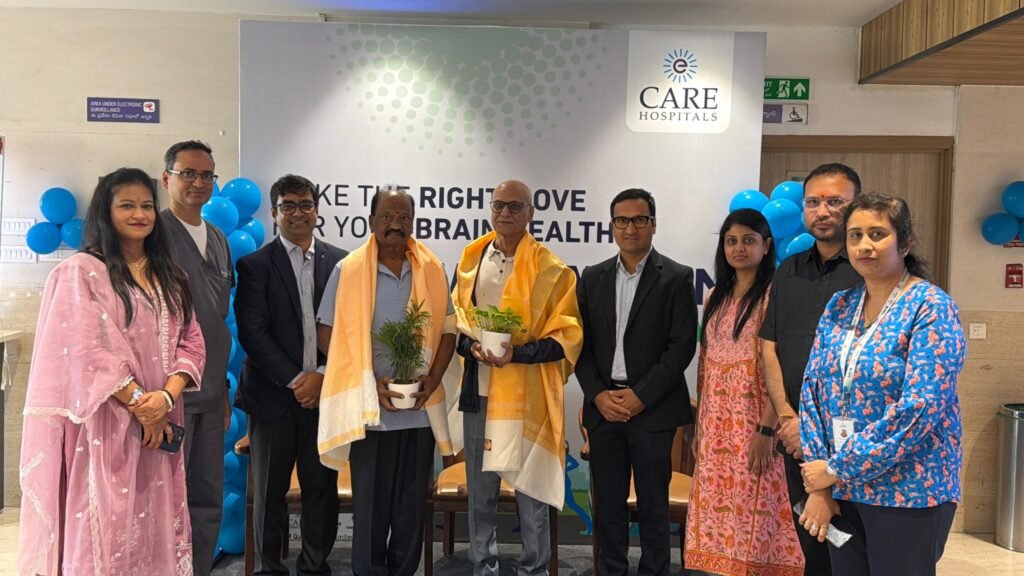
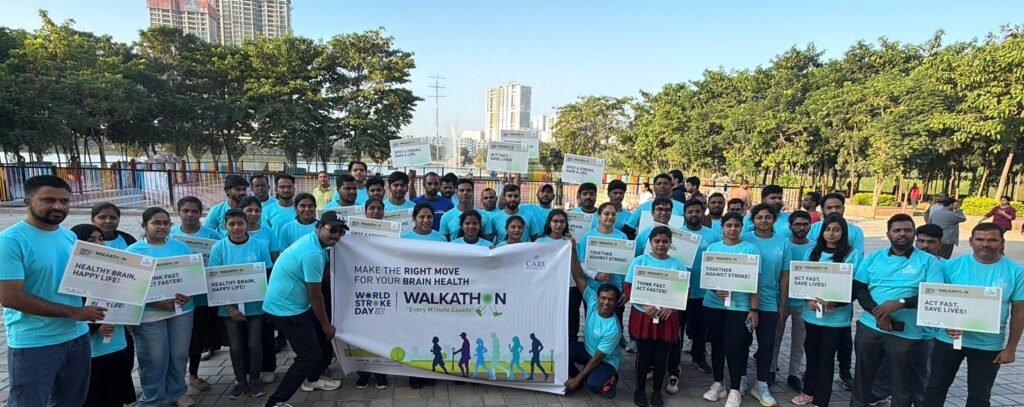
Hyderabad, Telangana, 29th of October, 2026 : CARE Hospitals, Hitech City, marked World Stroke Day by organising a WALKATHON at Malkam Cheruvu Park and a Stroke Awareness Talk & Survivor Interaction at the hospital, bringing together neurologists, healthcare professionals, stroke survivors and community members. The initiative, held under this year’s theme, “Every M1nute Counts,” focused on recognising stroke symptoms early, avoiding delays in treatment and understanding the risk factors that can lead to stroke, including among younger adults.
The walkathon was attended by Dr. Shyam K. Jaiswal, Senior Consultant Neurologist; Dr. Khailas Mirche, Senior Neurologist; Dr. Arun Reddy M, Senior Consultant – Neurosurgeon & Endoscopic Spine Surgeon; and Dr. Haritha Koganti, Consultant – Neurology, Dr. Pramod Gupta, Hospital Chief Operating Officer, CARE Hospitals, Hitech City; Dr Bhavani Prasad, Medical Superintendent along with senior doctors, hospital staff and members of the Walkers Club. Participants joined the walk to draw public attention to stroke warning signs and the importance of seeking emergency medical care.
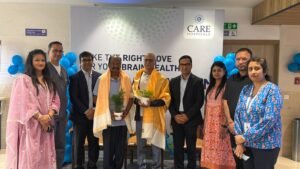
At the hospital, neurologists conducted an interactive awareness session explaining stroke symptoms, prevention and treatment. Stroke survivors also participated and shared their experiences of treatment and recovery, speaking about the challenges of rehabilitation, regaining mobility and returning to everyday life. Their accounts brought a personal perspective to the discussion on the importance of timely medical intervention and continued support after a stroke.
Stroke remains a significant public health concern. According to the World Stroke Organization, approximately 15% of strokes occur among people aged 15–49. An Indian Council of Medical Research (ICMR) hospital-based stroke registry also found that only about 20% of patients reached hospitals within 4.5 hours of symptom onset, highlighting the challenge of delayed access to emergency care.
Doctors observed that stroke symptoms are frequently mistaken for less serious conditions. Sudden weakness, slurred speech or dizziness may be attributed to fatigue, low blood pressure or low blood sugar. Families sometimes wait for symptoms to subside, offer food or water, or visit a nearby clinic before seeking emergency stroke care. These delays can affect treatment options and recovery outcomes.
Dr. Shyam K. Jaiswal, Senior Consultant Neurologist, CARE Hospitals, Hitech City, said, “One of the common challenges in stroke care is the delay between the first symptom and reaching a hospital. Families may wait because the person is conscious or appears to be improving. However, sudden weakness, difficulty speaking or loss of balance should be treated as a medical emergency. Giving food or water can also be unsafe if swallowing is affected. The early period, often referred to as the ‘Golden Hour’, is particularly important, but patients should seek emergency care even if several hours have passed. Knowing when symptoms started helps doctors assess treatment options.”
Dr. Khailas Mirche, Senior Neurologist, CARE Hospitals, Hitech City, said, “Stroke is not confined to older adults. Uncontrolled hypertension, diabetes, smoking, obesity and physical inactivity are important risk factors among younger people as well. Another concern is that people tend to ignore symptoms that last only a few minutes. Temporary weakness or speech difficulty could indicate a transient ischaemic attack, which may precede a major stroke. These warning signs need urgent medical evaluation, even when the person feels normal again.”
Speaking about the initiative, Dr. Pramod Gupta, HCOO, CARE Hospitals, Hitech City, said, “Awareness has an important role in reducing delays in stroke treatment. Through the walkathon and the interaction with stroke survivors, we wanted people to understand both the urgency of seeking medical care and the challenges patients face during recovery. Such community initiatives help bring important health information closer to people and encourage informed decisions during emergencies.”
During the awareness session, doctors explained the BE FAST method of identifying stroke symptoms — sudden loss of Balance, Eye or vision problems, Face drooping, Arm weakness, Speech difficulty and Time to seek emergency help. They also advised regular monitoring of blood pressure, blood sugar and cholesterol, along with physical activity, a balanced diet and avoiding smoking to lower stroke risk.
The programme concluded with an appeal to participants to share information on stroke warning signs within their families and communities, particularly the importance of seeking immediate medical attention rather than waiting for symptoms to improve.



More Stories
Hyundai Celebrates Outstanding Performance Of Sheetal Devi And Samarth-Supported Athletes At The Aichi-Nagoya 2026 Asian Para Games.
Prime Minister Narendra Modi To Visit Gujarat On 30-31 October.
World Stroke Day- From Diabetes To Cholesterol: How Common Health Conditions Can Raise Your Stroke Risk : Dr. Sujit Kumar, Director & Senior Consultant – Neurology, KIMS Hospitals, Bengaluru.