

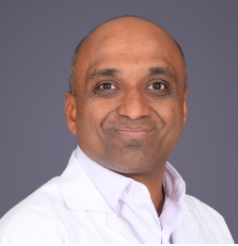
Bengaluru, Karnataka, 29th of September, 2026 : When I introduce myself as Childhood cancers specialist, many people ask me whether I am serious in saying this and how a child can have cancer?
Compared to adults the incidence of cancers in childhood are less .According to the International Agency for Research on Cancer, there were more than 275,000 cases of cancer diagnosed in children and adolescents aged 0 – 19 in the year 2024. There also exist concerns that, in reality, with cancer being a challenging disease to diagnose, there may be even more cases than those reported. In India, approximately 50000-60000 children are affected with cancer every year.
It is natural to feel frightened with the word “Cancer”. When cancer affects a child, the fear can be even greater. However, it is important for parents and general population to know that many childhood cancers are highly curable and a significant proportion of these children have lead a normal life when diagnosed and treated appropriately.
In India, thousands of children develop cancer every year. Unlike many adult cancers, childhood cancers are usually not caused by lifestyle choices. They are often related to changes occurring in cells during a child’s development. Parents should therefore never blame themselves or their child.
The most important aspects of improving outcomes in these children are, awareness and early access to appropriate treatment.
What are the common childhood cancers?
Childhood cancers are different from cancers commonly seen in adults, these include:
– Acute Leukemia – Blood cancers, mainly Acute Lymphoblastic leukemia (20-25%) and Acute Myeloid leukemias (10-15%)
– Brain and spinal cord tumors
– Lymphomas – cancers of the lymphatic system
– Neuroblastoma – a cancer arising from developing nerve cells
– Wilms tumor – a kidney cancer seen mainly in young children
– Bone and soft-tissue cancers – Like Osteosarcoma and Ewings Sarcoma
– Retinoblastoma – a cancer of the retina, usually affecting young children
– Liver tumors – most common is hepatoblastoma
The symptoms can sometimes resemble common childhood illnesses. This is why persistent or unusual symptoms deserve attention.
This is why awareness is necessary. Whenever a child experiences
- An unexplained fever for a long time
- Sudden weight loss
- Prolonged fatigue
- Unexplained bruises or bleeding
- Headaches, vomiting
- Swelling or a lump in any part of the body
- Bone pains, vision changes, or any other change in behaviour or physical activity
- Frequent infections -Repeated or unusually severe infections may sometimes indicate an underlying blood disorder.
Children with any of these symptoms should be recommended to undergo evaluation by a doctor.
These symptoms may not mean cancer since they can be caused by other diseases. Yet, persistent and unexplained symptoms shouldn’t be neglected. Higher awareness among parents, teachers and primary-care doctors will help create less delay in getting medical attention.
Start with your Pediatrician or family doctor. If the symptoms are persistent, unexplained, or concerning, ask for a referral to a Pediatric Hematologist-Oncologist / Pediatric Oncology Centre.
If childhood cancer is suspected or diagnosed, it is important to reach a centre that has access to a multidisciplinary Pediatric cancer team, including Pediatric oncology, Hematology , Pediatric surgery, Radiation oncology, Pathology, Radiology, Pediatric Intensive care, Transfusion support, and psychosocial services.
Outcomes are excellent if these cases are specifically managed by Pediatric Oncologists and dedicated referral centres with comprehensive care and in a child friendly environment.
What needs to be done is to overcome fear and get used to identifying unusual symptoms in time, so that diagnosis, referrals and treatment can be done.
More Stories
National CyberPeace eSports League (CEL) 10.0 Begins Its Journey from Ranchi on the Eve of the International Day of Peace.
World Heart Day – The First Hour Matters: What to Do When Someone Shows Signs Of A Heart Attack : Dr. Girish Godbole, Director & Senior Consultant – Interventional Cardiology, KIMS Hospitals, Electronic City, Bengaluru.
Ayodhya To Glow With 3 Million Diyas; Special Deepotsav 2026 Tour Package Announced.