



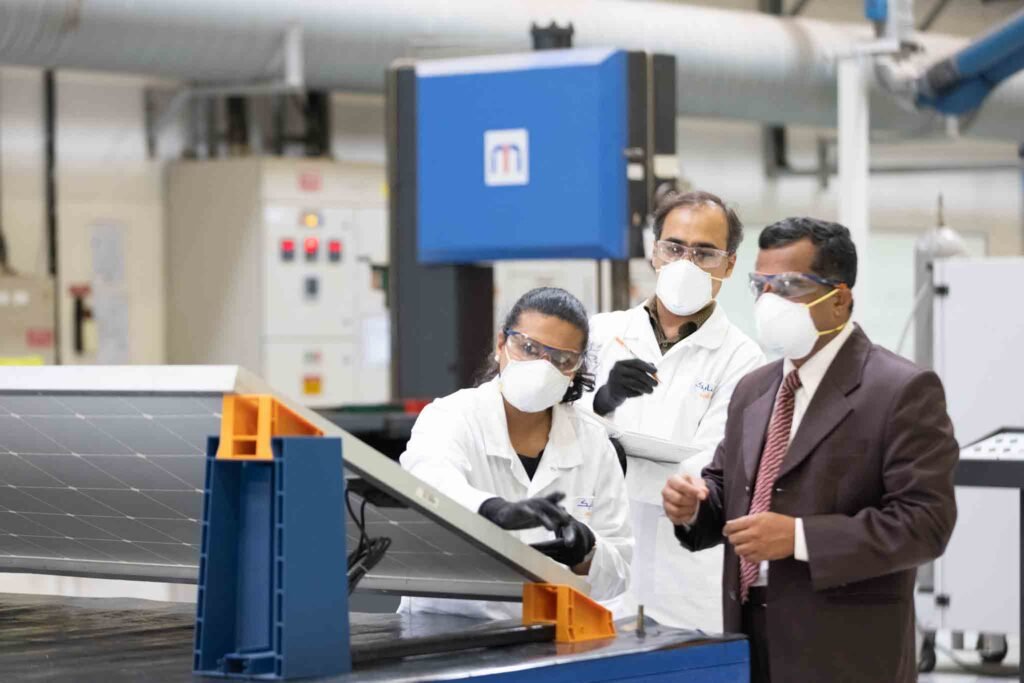
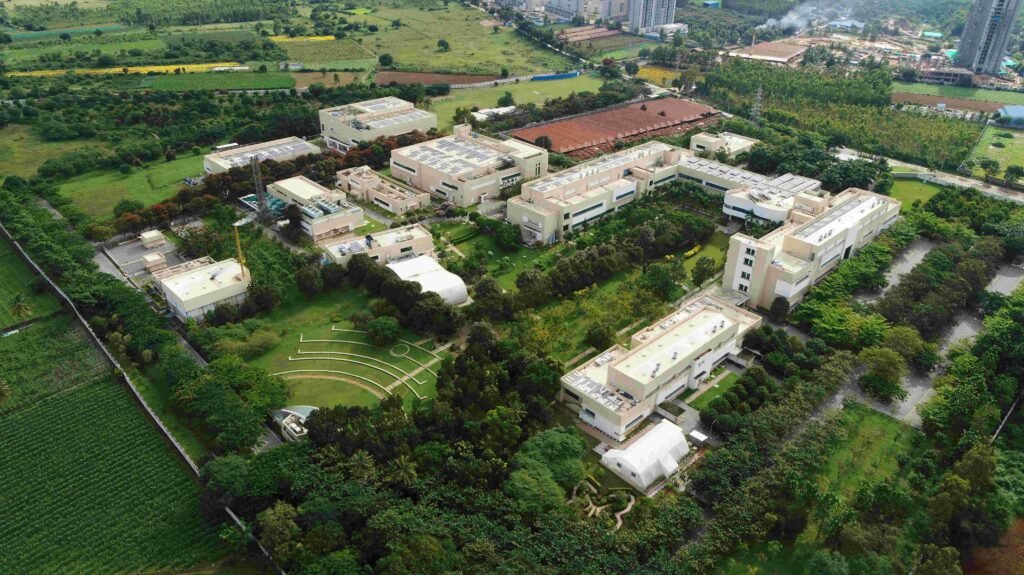
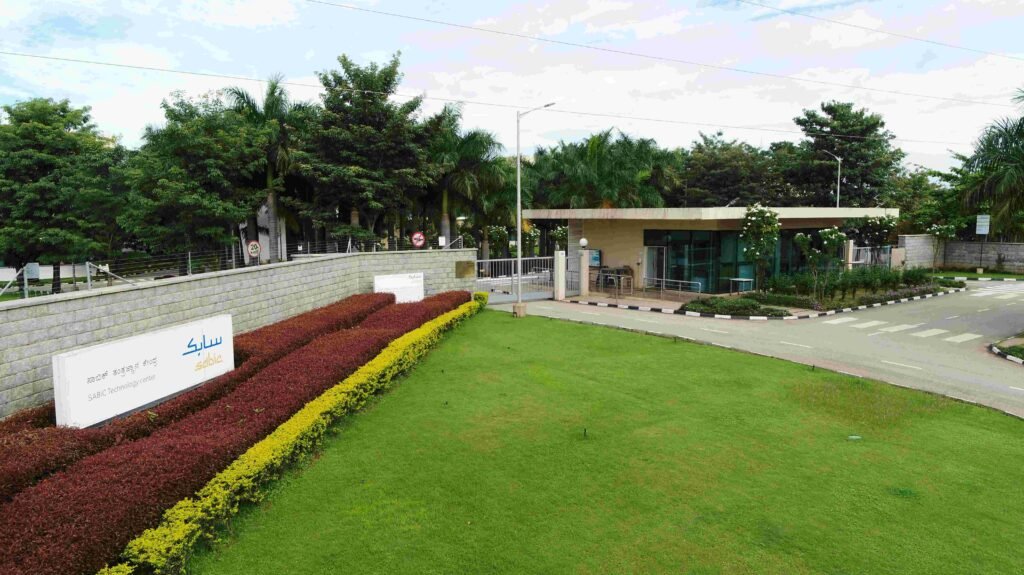
Bengaluru, Karnataka, 26th of November 2026 : Opened in November 2013 with an initial investment of USD 100 million, the SABIC Technology Center in Bengaluru (STC-B) is the global diversified chemicals company’s research and development hub for Asia. Set on a 44 acre campus with more than 250 scientists, it is one of 20 technology and innovation centers in SABIC’s global network. Over 13 years, STC-B is taking research from analytical labs, a weathering lab, a greenhouse, and open trial fields for agribusiness to real world applications across five core sectors.
This work aligns with India’s manufacturing momentum, with the International Monetary Fund projecting 7% growth for FY27 in its October 2026 World Economic Outlook and the Ministry of Commerce and Industry targeting USD 1 trillion in exports for FY27 after reaching USD 860.09 billion in FY26.
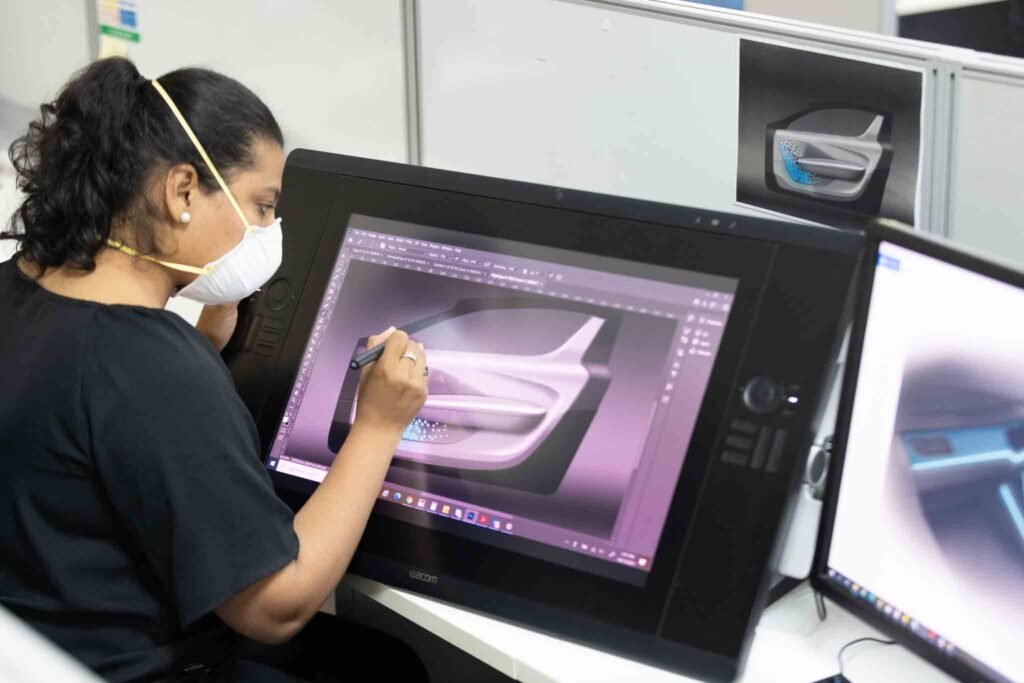
Automotive: Lighter, Safer Materials for Electric Mobility According to Federation of Automobile Dealers Associations (FADA) retail data, India sold 2.45 million electric vehicles in FY26, up 24.6% year on year and led by two wheelers and three wheelers. SABIC thermoplastics replace heavier metal in battery housings and structural parts, with a flame retardant polypropylene cover delivering 40% weight savings on a production plug in hybrid and STC-B developing a resin metal hybrid battery protection solution roughly 40% lighter than metal. Under the BLUEHERO™ initiative, STC-B scientists helped develop a battery pack concept using flame retardant STAMAX™ and LEXAN™ resins for thermal management and crash safety. Materials are tested for Indian heat and humidity in STC-B’s weathering lab, with under the hood solutions already in use by leading Indian carmakers.
Flexible Packaging: Protecting Freshness and Enabling Recyclability India is the world’s largest milk producer at 247.87 million tonnes in FY25 according to the Department of Animal Husbandry and Dairying, making protective packaging vital across perishable supply chains. SABIC’s FDA and EU compliant food contact polymers are used in multi layer flexible films that shield dairy, cereals, snacks, and fresh produce from oxygen, moisture, and light. With India’s Plastic Waste Management Rules mandating 30% recycled content in rigid packaging in FY26 and 60% from FY29, SABIC’s PP and PE materials support circular designs such as a single stream recyclable mono PE stand up pouch, backed by the company’s TRUCIRCLE™ portfolio.
Healthcare: High Performance Materials for Clinical and Hygiene Needs With over 45.5 crore Ayushman Bharat cards issued as of August 2026 according to the Ministry of Health and Family Welfare, and the Department of Pharmaceuticals targeting a USD 30 billion medical devices market by 2030, demand for clinical grade polymers is rising. SABIC’s ULTEM™ and LEXAN™ resins withstand repeated autoclaving, gamma radiation, and ethylene oxide sterilization. They enable transparent diagnostic tools, autoclavable surgical instruments, wearables, and drug delivery devices, while STC-B also develops SABIC PURECARES™ materials for diapers, masks, and PPE.
Electrical and Electronics: Flame Retardant and Sustainable Solutions To support India’s expanding charging network, STC-B engineers have developed a concept EV charger using flame retardant thermoplastics that offers lower weight, greater design freedom, and potential cost savings over metal designs. The center also supports global research on LNP™ ELCRIN™ WF0061BiQ resin, which chemically upcycles ocean bound PET bottles into high performance PBT for electronics and automotive parts with up to 14% lower carbon footprint and up to 25% lower cumulative energy demand than virgin equivalents.
Agri Nutrients: From Lab to Field for Indian Farmers Agriculture employs 43.0% of India’s workforce according to the Periodic Labour Force Survey 2025, while urea imports rose 83% to 10.35 million tonnes in FY26 according to Ministry of Chemicals and Fertilizers data. STC-B’s agricultural nutrients team, which shared in SABIC’s 2023 Gold Edison Award for low carbon Blue Urea, develops micronutrient fortified Urea Plus, bio enhanced fertilizers, and biodegradable controlled release fertilizers that avoid microplastic residue. Formulations are tested from lab to greenhouse to a one-acre Bengaluru trial field across crops like tomato, corn, and cabbage. Building on the 25.89 crore Soil Health Cards issued as of March 2026 according to the Ministry of Agriculture and Farmers Welfare, STC-B is also working with partners on real time soil, irrigation, and weather sensing tools.
Reflecting the technologies it develops, STC-B is working toward 100% carbon neutral operations, supported by rooftop solar power and on-site water and waste recycling.
About SABIC
SABIC is a global diversified chemicals company headquartered in Riyadh, Saudi Arabia. It manufactures on a global scale across the Americas, Europe, the Middle East, and Asia Pacific, making differentiated chemicals, commodity and high performance plastics, and agricultural nutrients. Serving customers in over 140 countries with more than 26,000 employees worldwide, SABIC supports end use applications across Automotive, Hygiene & Healthcare, Electrical & Electronics, Packaging, Agriculture, Consumer Products, and Building & Construction, backed by more than 10,700 patents and a global network of technology and innovation centers.


More Stories
India Leads The World In Entrepreneurial Ambition: 85% Want To Start A Business, Nearly Double The Global Average.
Zero21 Showcases TGSRTC Electric Retrofit Bus At Cyberabad Moves 2026; Telangana DGP CV Anand Applauds The Zero21 Team.
World Tennis League 2026 Unveils Schedule; Kyrgios-Bublik, Svitolina-Bencic Clashes Add Star Power To Bengaluru Showdown.