





Anand, Gujarat, 6th of July, 2026 : A national seminar on “The Role of Minority Educational Institutions in Unity, Cultural Diversity, and Nation Building: Viksit Bharat @2047” was organised by the Muslim Vidhyarthi Pragati Mandal at the Adarsh Educational Complex, Napa, Anand District, Gujarat. The seminar brought together eminent educationists, academicians, policymakers, administrators, students, researchers and community leaders to deliberate on the contribution of minority educational institutions towards building an inclusive, progressive and developed India.
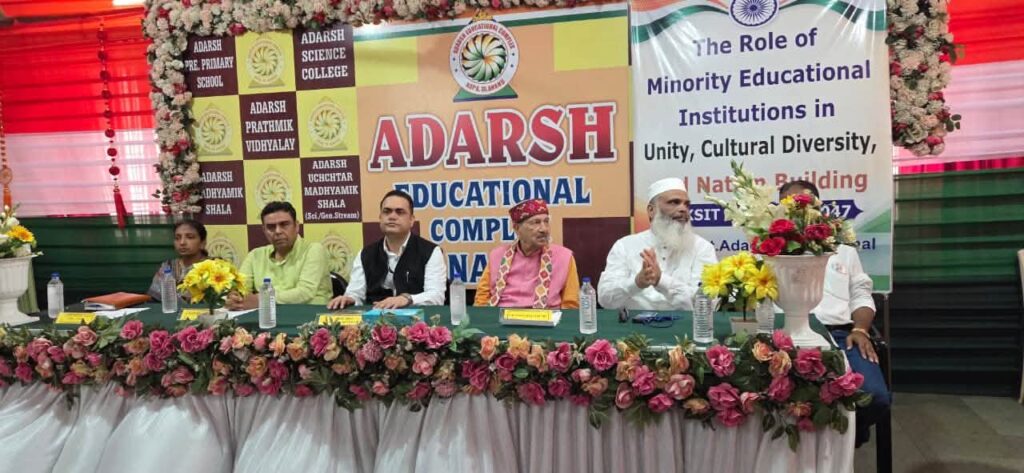
The seminar was inaugurated by Dr. Shahid Akhtar, Officiating Chairman, National Commission for Minority Educational Institutions (NCMEI), Government of India, who attended the programme as the Chief Guest. In his keynote address, Dr. Akhtar emphasised that minority educational institutions have played an indispensable role in strengthening India’s educational system by promoting academic excellence, preserving cultural diversity and nurturing responsible citizens committed to constitutional values.
Addressing the gathering, Dr. Akhtar observed that the vision of Viksit Bharat @2047, which marks the centenary of India’s Independence, can only be achieved through quality, inclusive and equitable education that reaches every section of society. He said that minority educational institutions have consistently contributed to educational empowerment, particularly among disadvantaged communities, while upholding the constitutional ideals of justice, liberty, equality and fraternity.
Dr. Akhtar further stated that education should not merely prepare students for employment but should also cultivate ethical leadership, critical thinking, innovation, social responsibility and respect for India’s pluralistic traditions. He called upon educational institutions to become centres of excellence that foster national integration while preserving the country’s rich linguistic, cultural and religious diversity.
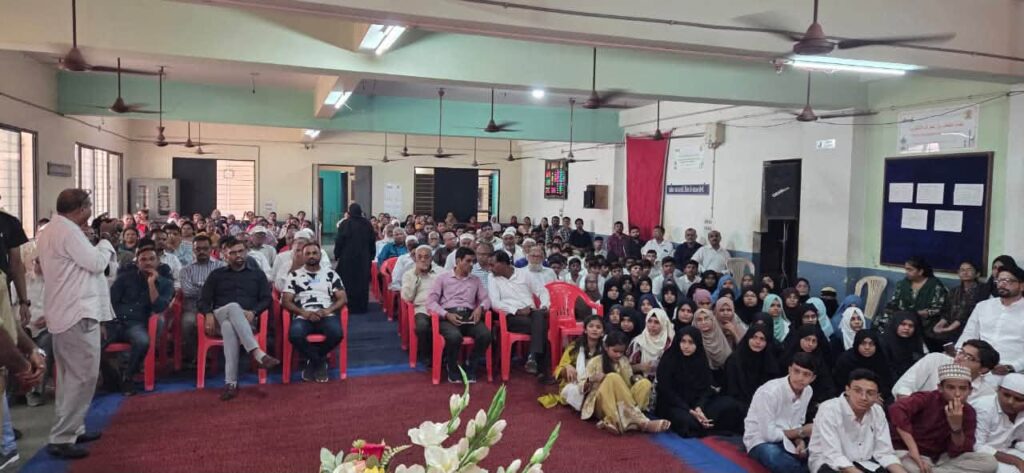
The seminar featured technical sessions, expert presentations and interactive panel discussions on the evolving role of minority educational institutions in promoting social harmony and national development. Speakers highlighted that these institutions have historically contributed significantly to expanding access to education and creating opportunities for socially and economically weaker sections of society.
Participants deliberated on several practical strategies to strengthen the contribution of minority educational institutions towards achieving the objectives of Viksit Bharat @2047. These included curriculum reforms aligned with emerging technologies, digital literacy, artificial intelligence, entrepreneurship, environmental sustainability, constitutional values and skill development. Experts also stressed the need for continuous teacher training, research-driven pedagogy, institutional innovation and stronger collaboration between educational institutions, government agencies, industry and civil society.
The seminar also underscored the importance of community engagement, encouraging educational institutions to work closely with parents, local communities and social organisations to create inclusive learning ecosystems that foster academic excellence and social cohesion.
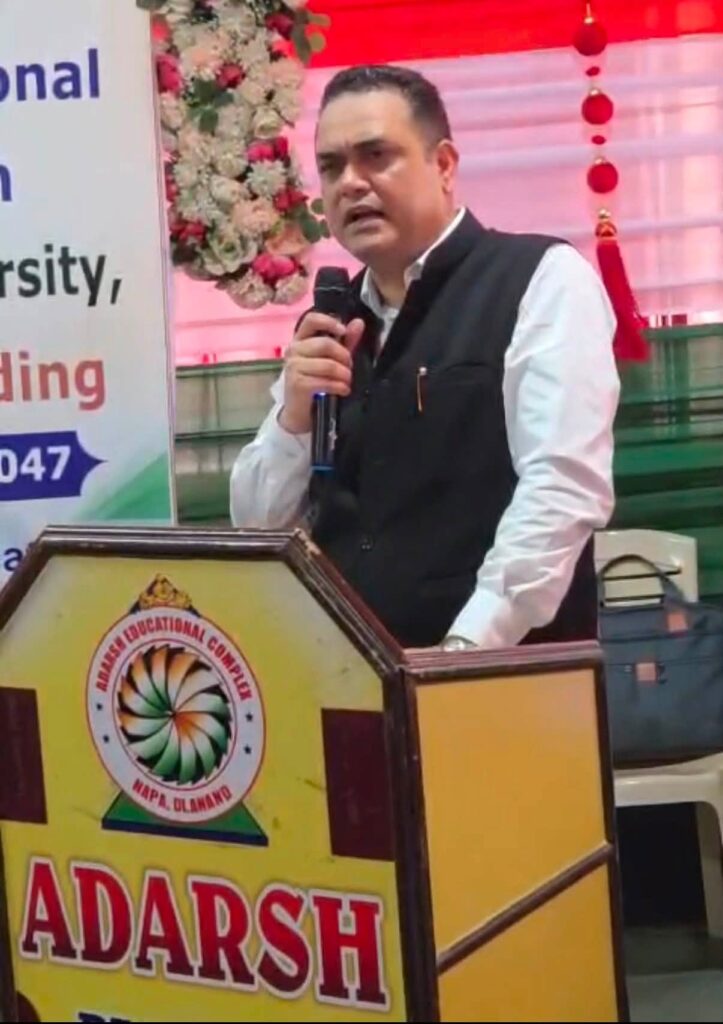
Among the distinguished participants was Dr. Indresh Kumar, Margdarshak, Muslim Rashtriya Manch (MRM), who addressed the gathering and spoke on the transformative power of education in nation-building.
Speaking on the occasion, Dr. Indresh Kumar said: “Education is the strongest foundation for building a united, peaceful and developed India. Minority educational institutions have a significant responsibility in nurturing enlightened, skilled and value-oriented citizens who uphold constitutional ideals and contribute positively to society. India’s diversity is our collective strength, and educational institutions must inspire young minds to embrace harmony, patriotism, compassion and service above all differences. The vision of Viksit Bharat @2047 can become a reality only when education promotes character, innovation, national unity and social responsibility. Every classroom must become a centre for creating responsible citizens committed to the progress of the nation.”
His address received an enthusiastic response from participants and reinforced the seminar’s central message that education remains the most effective instrument for strengthening national integration and fostering mutual understanding among diverse communities.
Students, educators and researchers actively participated in the discussions, sharing perspectives on leadership, innovation, inclusive education, digital transformation and youth participation in nation-building. The interactions reflected a shared commitment to creating educational environments that promote excellence while respecting India’s multicultural identity.
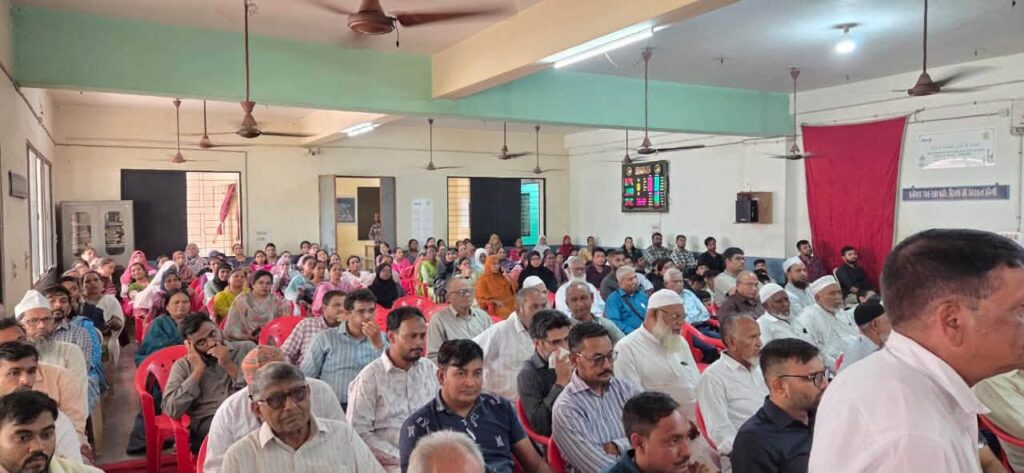
The seminar concluded with a collective resolve to strengthen collaboration among educational institutions, policymakers, civil society organisations and communities in advancing the shared vision of Viksit Bharat @2047. Participants reaffirmed that minority educational institutions will continue to play a pivotal role in promoting quality education, social inclusion, cultural harmony and sustainable national development.
The organisers, Muslim Vidhyarthi Pragati Mandal, expressed their gratitude to Dr. Shahid Akhtar, Dr. Indresh Kumar, distinguished speakers, delegates, faculty members, students and participants for their valuable contributions. They reiterated their commitment to fostering dialogue, educational excellence and collaborative initiatives that support India’s journey towards becoming a developed, inclusive and knowledge-driven nation by 2047.




More Stories
MS Dhoni Inaugurated 7Padel MS Dhoni By Padelpark India, Hyderabad’s First Ultra-Premium Indoor Padel, Fitness And Wellness Facility At Jubilee Hills.
“Next-Gen GST And India’s Next Phase Of Growth” : Smt. Nirmala Sitharaman, Union Minister Of Finance And Corporate Affairs.
Mumbai To Host The Future Of Maintenance And Asset Management As MRAM Expo 2026 Showcases New Technologies.