





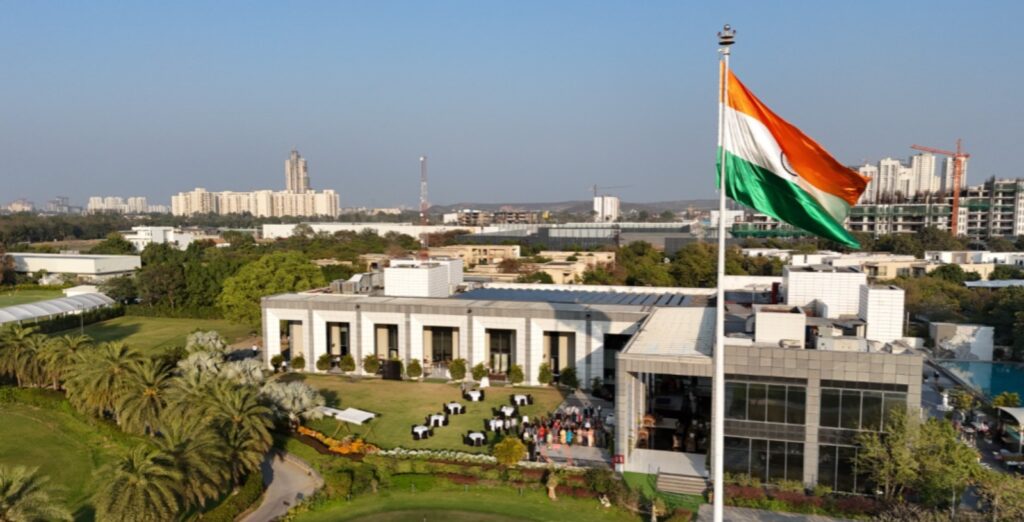
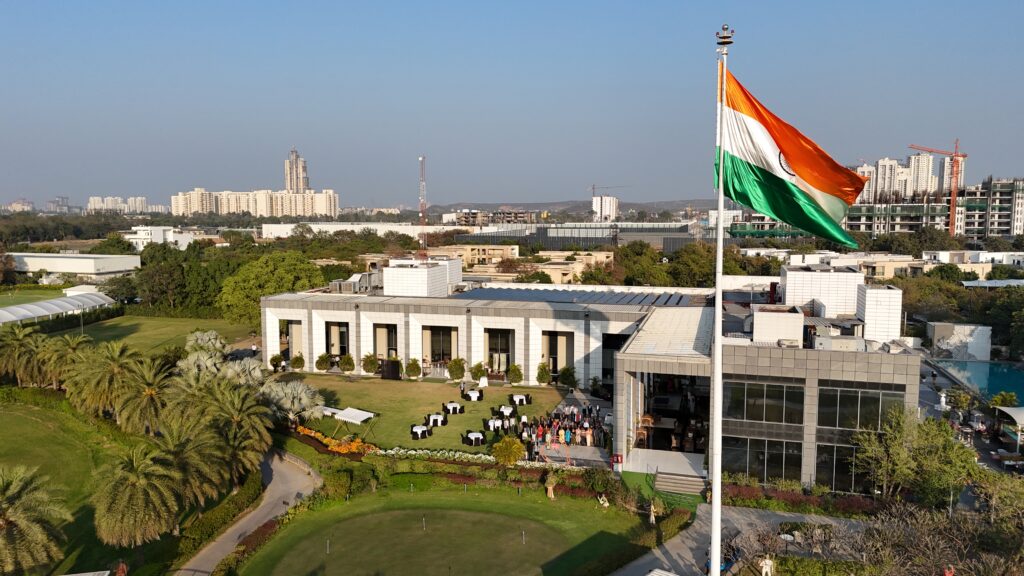
New Delhi, Delhi, 12th of March, 2026 : In a significant recognition of climate-responsive enterprise, Karma Lakelands, a 270-acre eco-golf resort in Gurugram, Net Zero Vision 2030 has been featured as a core global case study at the 2nd ICCMRO Conference and included in the prestigious Springer publication Compassionate Organisations in BANI Times.
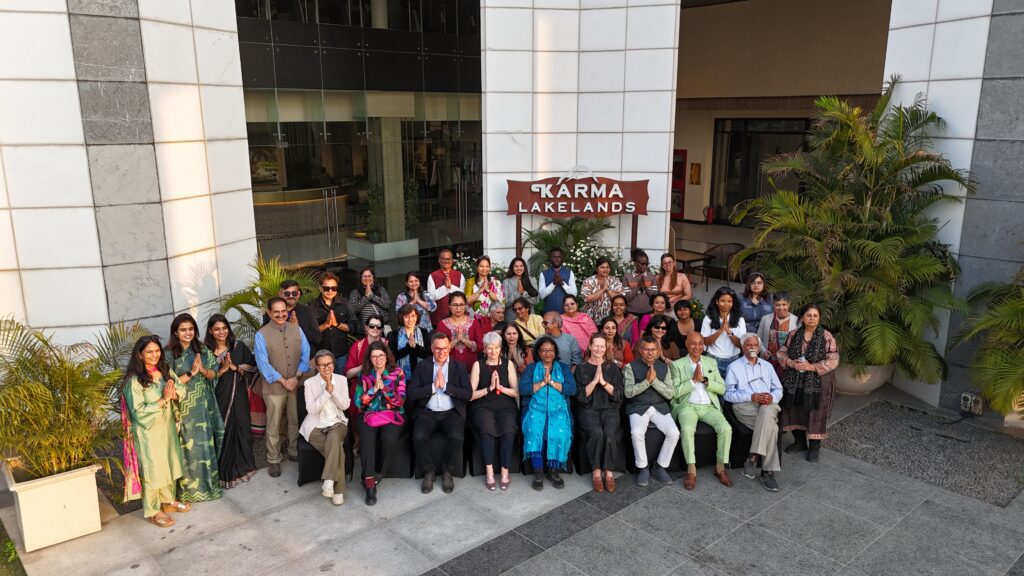
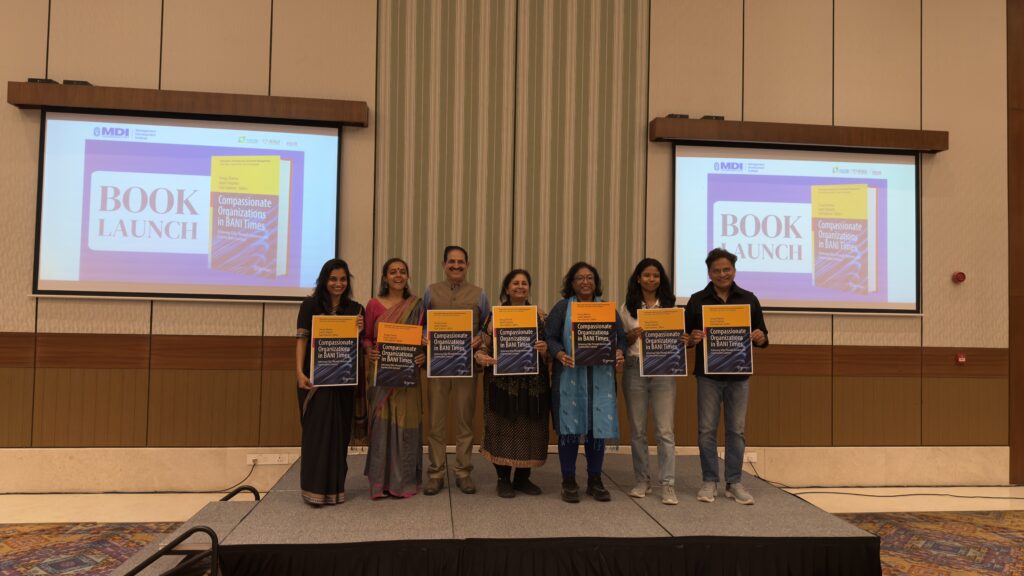
The announcement coincides with the launch of the Springer publication Compassionate Organisations in BANI Times, which was also unveiled at Karma Lakelands and features the resort as a central case study for its climate-responsive transformation model. Published by Springer, the book examines how organisations can build resilience in today’s BANI (Brittle, Anxious, Non-linear, Incomprehensible) world and cites Karma Lakelands as a pioneering example within the hospitality sector.
The Gurugram-based eco-golf resort has steadily integrated renewable energy systems, water stewardship practices, biodiversity enhancement, responsible construction frameworks and low-carbon operational design into a cohesive Net Zero roadmap. Its newly articulated Triple Net Zero by 2030 vision expands that ambition across carbon, water and waste positioning the property among the early movers in responsible luxury infrastructure in India.
The research documenting this transformation was led by Professor S. N. Mishra presented at the 2nd ICCMRO Conference, in collaboration with Management Development Institute Gurgaon, TERI School of Advanced Studies, and Bern University of Applied Sciences, bringing together academic and industry perspectives on climate-responsive enterprise.
Ashwani Khurana, Founder – CEO (Chief Eternal Optimist) of Karma Lakelands, said “Climate responsibility can no longer sit at the periphery of business strategy. Triple Net Zero is not a symbolic commitment but an operational blueprint that guides how we design, build and manage our ecosystem. For Karma Lakelands, sustainability is embedded in decision-making, infrastructure and long-term planning. We believe the future of luxury must be regenerative, measurable and accountable, where environmental stewardship and business resilience move forward together.”
Speaking on the recognition, Dr. Tanuja Sharma, Professor at Management Development Institute Gurgaon, observed, “What makes this case particularly relevant in today’s context is its emphasis on implementation. Many organisations articulate sustainability goals, but fewer translate them into structured frameworks with defined milestones. The Karma Lakelands journey demonstrates how climate intent can evolve into measurable action, offering a replicable model for enterprises navigating uncertainty while sustaining long-term value creation.”
The Springer volume brings together global academic and industry perspectives on how organisations can navigate the uncertainties of a rapidly changing world shaped by climate risk, economic volatility and systemic disruption. Using the BANI framework, it highlights institutions that move beyond intent-driven sustainability to embed environmental responsibility, ethical governance and long-term resilience into the core of their operating models, presenting real-world case studies that demonstrate measurable and strategic transformation.
As climate volatility reshapes business expectations worldwide, Karma Lakelands’ recognition positions Indian hospitality within the global dialogue on resilient, compassionate and future-ready enterprises.




More Stories
From ‘Vocal for Local’ to Global : Khadi Takes a New Flight.
Zaitoon Honours Over 210 Long-Serving Employees With Gold Coins And Motorcycles On Its 17th Anniversary.
What To Do When You Receive A Traffic Violation Notice In Kerala.