




Bengaluru, Karnataka, 19th of May, 2026 : For years now, building muscle has been linked to high levels of consumption of animal-based proteins, eggs, and milk products. However, many have discovered that with a good diet plan, one may build incredible amounts of strength through How to build muscle on a vegan diet?
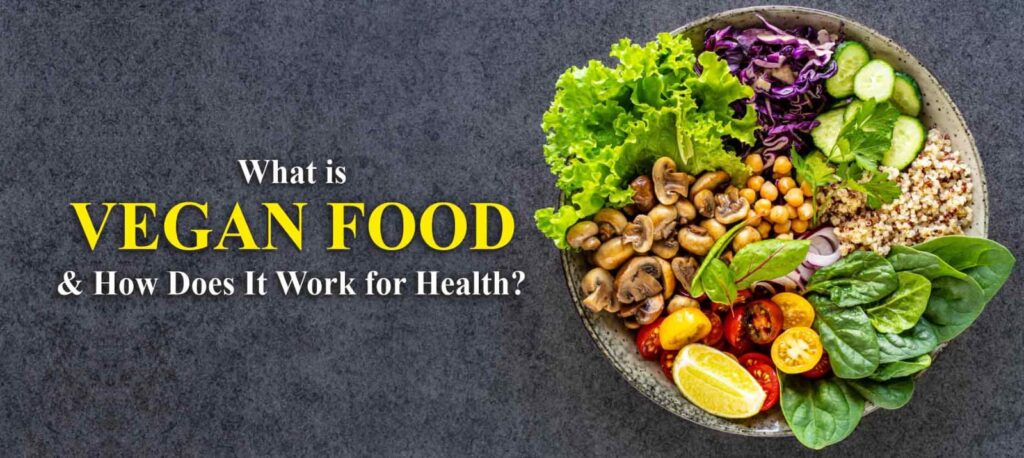
the use of plant-based nutrients. The ancient Indian medical science called Ayurveda provides insight into this relatively new issue.
According to Ayurveda, muscle development is not just a matter of getting enough protein into one’s diet. Strength is achieved when digestion is harmonious, the tissues are correctly nourished, healthy life habits are adopted, and balance exists between the mind and the body.
Building Muscles According to Ayurveda
The Ayurveda view of the human body sees it as made up of seven types of tissues. One of these is mamsa, meaning muscle tissue. For proper mamsa formation, good digestion, absorption, and nervous coordination are crucial.
When digestion is poor, it is even possible that a protein-rich diet will not be able to feed the muscles adequately. This is why Ayurveda stresses importance not only on our diet but also on digestion and lifestyle.
Is it Possible for a Vegan Diet to Promote Muscle Building?
Yes, if it is done correctly.
It is absolutely possible for vegans to get all necessary proteins if they eat properly. There are many combinations of grains and legumes used by traditional Indians in order to form a complete profile of proteins. Such products as lentils, chickpeas, soybeans, kidney beans, peanuts, sesame seeds and millets are effective in building up muscles.
Moreover, veganism is based upon the consumption of seasonal, fresh and unprocessed food – something which cannot be said about protein powders and supplements.
Vegan Foods that Promote Muscle Building
An Ayurvedic doctor will suggest including these foods in a vegan muscle building diet plan:
Mung dal and masoor dal, since they are easily digestible and rich in protein.
Tofu and tempeh, due to their high content of plant-based protein.
Almonds, walnuts and sesame seeds, to increase strength and provide healthy fats.
Sprouts for increased nutrient assimilation.
Millets like ragi and bajra for energy.
Natural sources of energy like bananas, dates, and figs.
Ashwagandha for energy recovery.
Coconut and soaked nuts, for nourishing the body.
In general, warm and cooked meals are more preferable than excessive salads and cold smoothies in Ayurveda.
Improper Digestion Hampers Muscle Growth
Many individuals eat lots of protein but do not get enough muscles, owing to improper digestion and an irregular meal schedule.
Ayurveda suggests:
Having meals regularly.
Not overeating.
Proper chewing.
Adding digestive herbs and spices like cumin, ginger, and black pepper.
Reducing consumption of junk and processed vegan foods.
Improved digestion ensures proper nutrition of muscles.
Workout and Rest are Both Important
Growth of muscles happens not just during workout but also during rest. According to Ayurveda, exercise which is balanced (vyayama) and does not exhaust body is important.
Resistance training paired with
Sufficient sleep
Yoga and stretches
Meditation for stress management
Oil massages (abhyanga)
Correct hydration
will help in recovering and avoid exhaustion.
Mistakes While Building Muscles in a Vegan Diet
One of the mistakes is an over-reliance on packaged food products that claim to be healthy for vegetarians. Many meat alternatives contain excess sodium, preservatives, and low quality fats.
Second, vegan diets may lack micronutrients such as Vitamin B12, iron and omega-3. Vegans must take extra care while choosing food sources for those vitamins.



More Stories
Indian Army Successfully Concludes Tripura Agniveer Recruitment Rally 2026.
5th Edition Of India-Australia Joint Military Exercise Austrahind Commences At Thiruvananthapuram.
DRI Foils Major Ganja Trafficking Attempt; Seizes 591 Kg Cannabis Smuggled From Nepal.